DHS Shutdown
House Republicans' funding bill collapse prolongs DHS shutdown.
Model Diplomat3 min readUnited States

Johnson's DHS Gamble Extends a 72-Day Shutdown Into Week Eleven
House Republicans scrap their own funding bill, prolonging the DHS shutdown that has left TSA agents working without pay since February 14.
Speaker Mike Johnson has pulled his conference's DHS funding bill and announced a new version will be drafted — a move that almost certainly extends what is already the longest partial agency shutdown in U.S. history. DHS has been unfunded since February 14, 2026, a span of over ten weeks during which TSA agents have worked without consistent pay, FEMA's disaster-response readiness has been degraded, and DHS Secretary Kristi Noem was fired on March 5 amid the funding chaos.
A Shutdown That Was Supposed to Be Over
This is, remarkably, the second near-resolution to collapse. On April 1, Johnson and Senate Majority Leader John Thune issued a joint statement announcing a deal: House Republicans would pass the bipartisan Senate bill funding most of DHS while separating ICE and Border Patrol onto a faster-moving legislative track. Senate Minority Leader Chuck Schumer and House Minority Leader Hakeem Jeffries both signaled support. The deal looked done.
It wasn't. Conservative hardliners — the same faction that forced Johnson to call the original Senate bill "a joke" in late March — have blocked a clean passage. Johnson's decision to scrap the bill rather than bring it to the floor in a losing vote reveals the core arithmetic problem: he cannot pass a DHS funding package with Republican votes alone, and cutting a deal with Democrats carries its own caucus-management costs.
The leverage here belongs to a small bloc of House conservatives who have made ICE and Border Patrol funding non-negotiable as a unified package — not the two-track approach leadership endorsed. They are extracting maximum concession from leadership in a chamber where Johnson's majority remains razor-thin.
Who Pays the Price
TSA's 60,000-strong workforce has borne the sharpest operational cost. Partial pay disbursements, staffing shortages, and morale collapse produced significant security-line disruptions through the spring travel season — most visibly at Houston's Hobby Airport in early March. CNN reported that TSA PreCheck and Global Entry were briefly suspended in February before partial reinstatement.
FEMA faces degraded readiness heading into hurricane season, which begins June 1. DHS Secretary Markwayne Mullin — Noem's replacement — has pledged to accelerate disaster relief in North Carolina from Hurricane Helene, but operational capacity at the agency level remains constrained by the funding lapse.
Democrats benefit politically from prolonged disruption to the administration's core border-security apparatus, even as the shutdown nominally punishes agencies the left has historically sought to constrain. The irony: ICE and Border Patrol — the agencies conservatives are fighting to fund — are also operating under funding uncertainty during what the White House has called a border enforcement surge.
For US Politics watchers, this is the defining domestic fiscal fight of the spring session.
What to Watch Next
The critical variable is whether Johnson brings any bill to the floor before the Memorial Day recess. A whip count that can't reach 218 without Democratic support forces a binary choice: cut a bipartisan deal that enrages the right flank, or let the shutdown run into its fourth month as hurricane season opens.
June 1 — the start of Atlantic hurricane season — is the functional deadline. A FEMA still operating under shutdown conditions when the first major storm forms would hand Democrats an unambiguous political weapon. Watch whether Mullin publicly pressures Johnson before that date; a DHS secretary breaking with his own party's legislative strategy would signal the administration is prioritizing operational reality over the House conservatives' demands.
Discover more

US Politics
SNAP Food Assistance Faces Legal Challenges
In 2026, SNAP faces stricter eligibility rules and mounting legal challenges, threatening food assistance for the millions of Americans who rely on the program.

Conflict & Security
Drone Warfare Killing Aid Workers at Unprec
Over 1,000 humanitarian workers killed in three years as cheap armed drones collapse legal protections. Gaza, Sudan, Ukraine, and DRC see deliberate targeting of aid convoys and hospitals with zero prosecutions.
Global
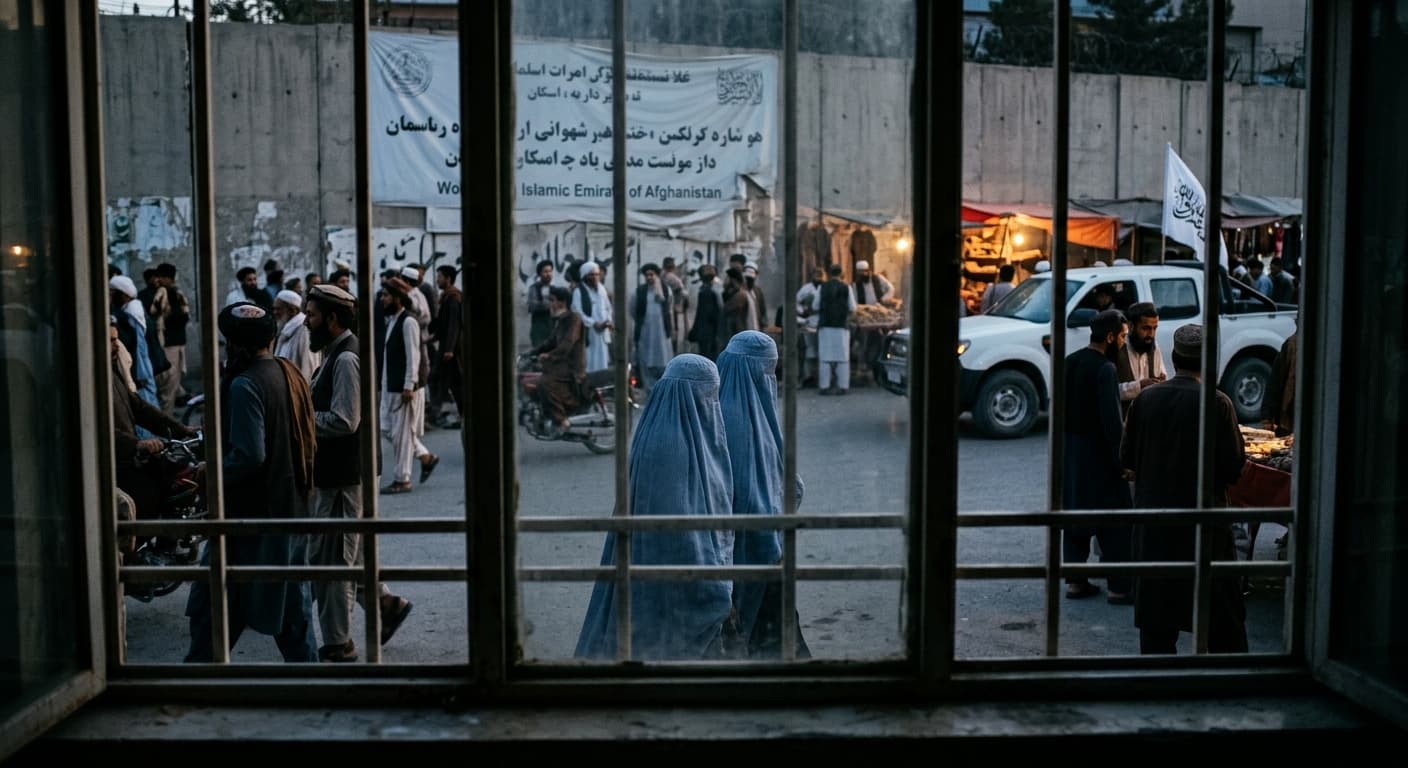
World Normalises Taliban as Afghan Women Eras
UN data shows Afghan women erased from public life as Russia recognises the Taliban, EU hosts officials in Brussels, and ICC warrants for gender persecution go unenforced.
Conflict & Security
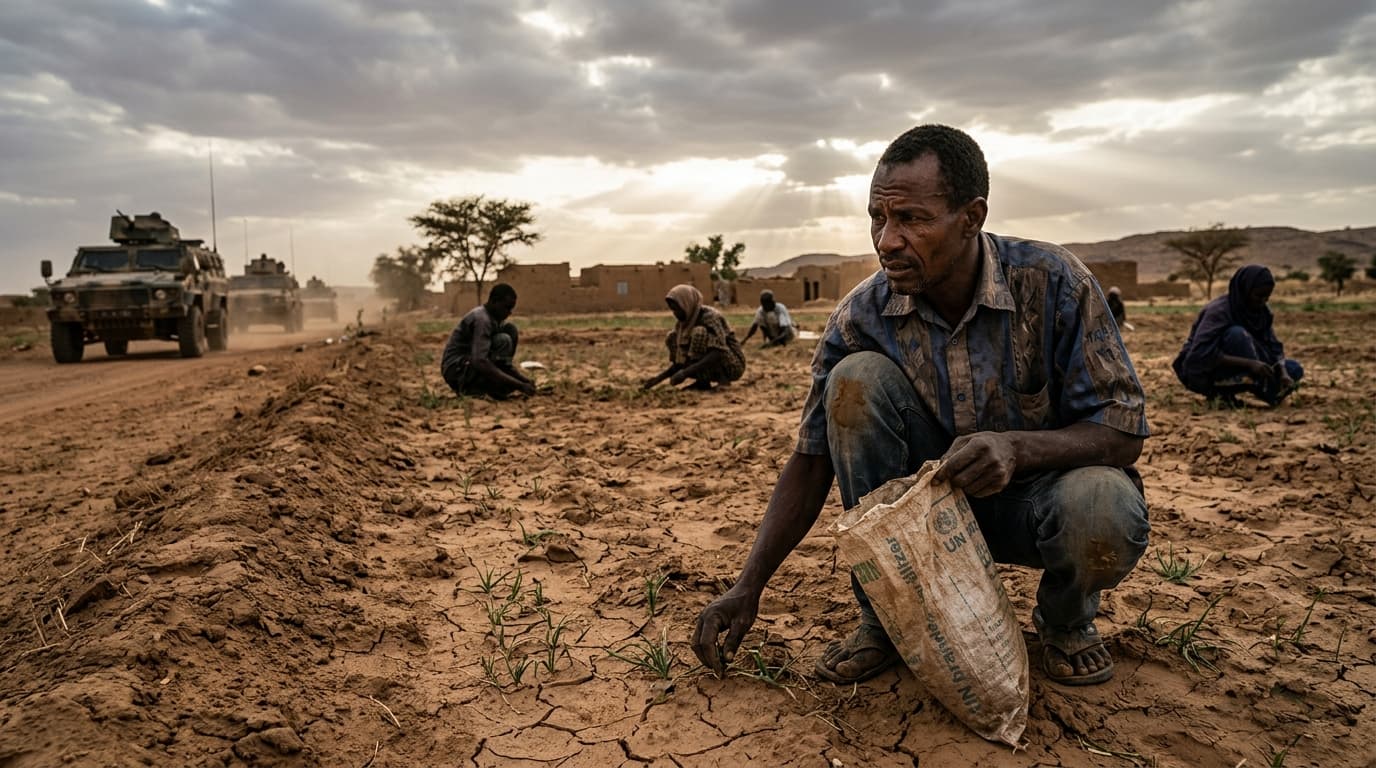
West Africa Food Crisis: Three Shocks in 2026
Conflict, climate extremes, and the Strait of Hormuz closure drive a severe food crisis in West and Central Africa, with fertilizer prices surging 80% and millions displaced.