Delhi CNG Hits Rs 83.09 After Fourth Hike in Two Weeks
Delhi’s CNG price has climbed to Rs 83.09/kg after four hikes in 14 days, squeezing taxis and autos as fuel costs keep rising.
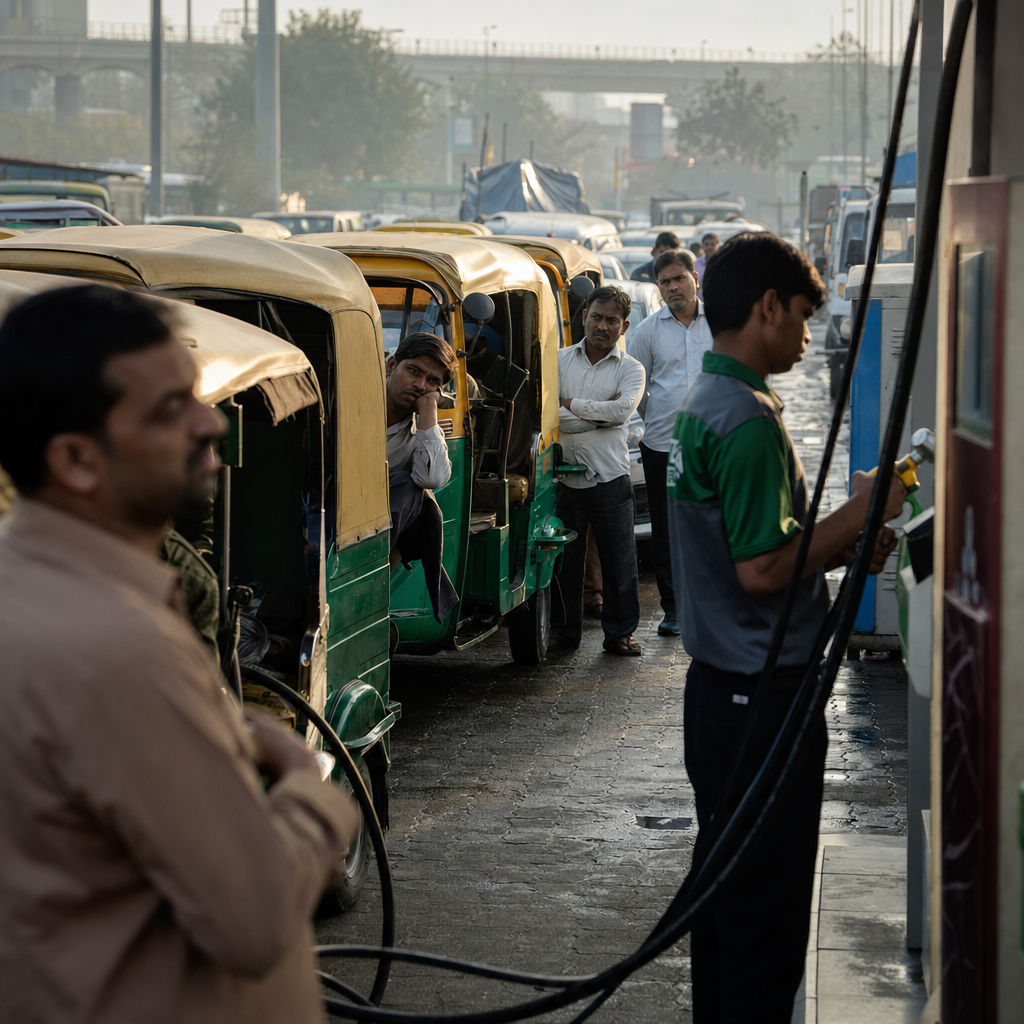
Delhi has moved from isolated fuel adjustments to a clear pass-through cycle: compressed natural gas is now Rs 83.09 per kg after a Rs 2 increase, the fourth hike in two weeks, according to  The Indian Express. The speed matters more than the size. CNG is the operating fuel for a large share of the capital’s autos, taxis and private commercial vehicles, so every revision lands first on daily commuters and drivers, then on fares and logistics costs.
The leverage sits with fuel sellers, not consumers
The immediate power in this market rests with the pricing authority — in practice, the gas distributors and the broader fuel ecosystem passing through higher input costs. Earlier reporting showed Delhi CNG had already risen to Rs 81.09 per kg by May 23, after a series of increases that Financial Express said added Rs 4 per kg in less than two weeks ( Financial Express). The latest move takes that pressure further, and the pace suggests companies are not absorbing the shock.
The likely driver is the same one cited across the earlier reports: higher global energy costs tied to the Middle East flare-up and supply concerns. The Economic Times said the hike came amid pressure from tensions in the Middle East and the Strait of Hormuz risk, which lifted international crude prices and fed into domestic fuel pricing ( The Economic Times). The Hindu BusinessLine likewise said the latest increase came alongside fresh petrol and diesel hikes in major metros, with fuel prices revised on the basis of international crude, gas, exchange rates and local levies (
 The Hindu BusinessLine).
Who wins, who loses
The winners here are upstream suppliers and fuel retailers that can reprice quickly into a rising market. The losers are the people who cannot pass costs through cleanly: auto-rickshaw drivers, cab operators, delivery fleets and households that depend on CNG-run transport. In a city like Delhi, where CNG underpins a large part of the informal and app-based mobility network, even small hikes compound quickly into higher daily earnings targets and greater fare pressure.
That is why this is not just a fuel story; it is a near-term inflation story. When transport operators pay more for fuel, they either cut margins or raise prices. The second-round effect shows up in  India through commuting costs first, then through the cost of goods moved by road. BusinessLine explicitly flagged knock-on effects on logistics and consumer prices, while ET noted the hikes are part of a broader regional energy shock rather than a Delhi-specific policy move (The Hindu BusinessLine; The Economic Times). For policymakers, the signal is simple: this is an imported cost shock, and the relief options are limited unless global fuel prices ease.
What to watch next
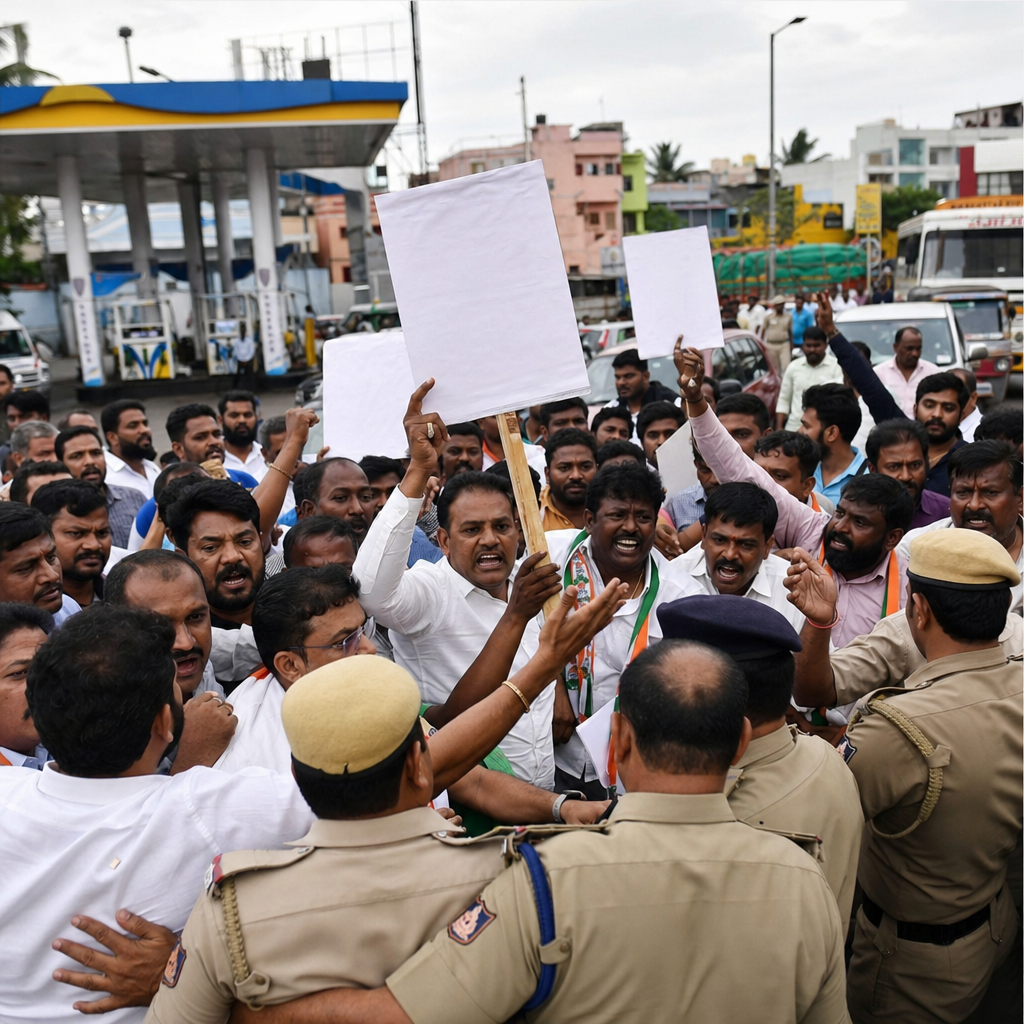
Watch the next price update from Delhi gas distributors and whether the hike spreads beyond the capital into the wider NCR. The real decision point is whether transport unions start pushing for fare revisions or subsidies. If crude stays elevated, the next round of price transmission will not stop at CNG. It will move into public transport pricing, delivery charges and, with a lag, consumer inflation.