Bengal’s New MLAs Are Richer
New Assembly shows alarming trends in wealth and criminality.
Model Diplomat2 min readAsia
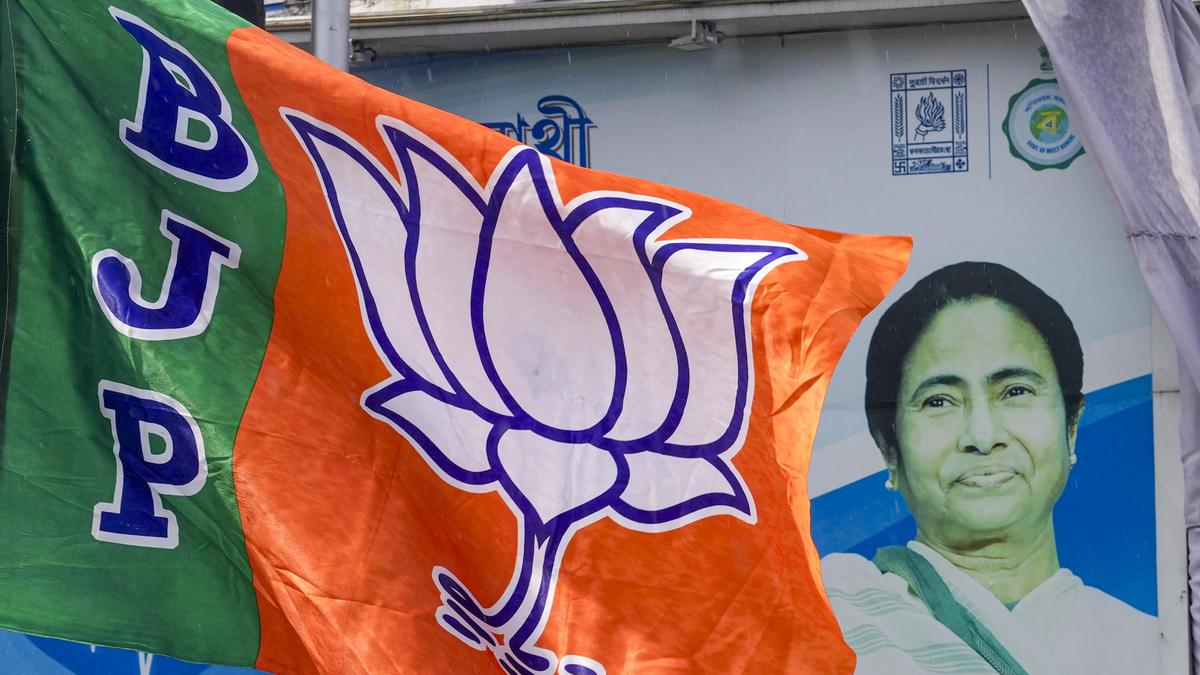
Bengal’s New MLAs Are Richer — and More Criminal Than Before
ADR says 65% of Bengal’s new MLAs face cases and 61% are crorepatis, showing how money and muscle still shape the state’s politics.
The power shift in West Bengal is clear, but so is the governing burden that comes with it: most of the new Assembly arrives with criminal cases attached. The Association for Democratic Reforms found that 190 of 292 winning candidates in the 2026 election — 65% — declared criminal cases, while 170, or 58%, face serious charges; 178 MLAs, or 61%, are crorepatis (The Hindu).
That matters because the political map has already changed. The BJP swept the state with 206 seats, while the Trinamool Congress fell to 80, according to The Hindu’s results report (The Hindu). In that context, ADR’s findings are not just a moral indictment; they are a warning about the kind of legislature the new ruling party will have to manage. A chamber with this many members facing cases — including murder, attempt to murder and crimes against women — is more vulnerable to legal distraction, reputational damage and internal bargaining over tickets and cabinet posts (
The Hindu).
The BJP’s slate is the most exposed
ADR’s party-wise numbers show where the problem is concentrated. Among BJP winners, 152 of 206 — 74% — declared criminal cases, versus 34 of 80 TMC winners, or 43% (The New Indian Express). That is politically awkward for the party that is now entering government on an anti-incumbency wave: it cannot credibly claim the old order was the sole source of Bengal’s political roughness when its own legislative bench is heavier on criminal disclosures.
The wealth data points in the same direction. The average declared asset of each MLA has risen to Rs 3.73 crore, up from Rs 2.53 crore in 2021, and TMC legislators still average more wealth than BJP legislators — Rs 5.36 crore versus Rs 2.97 crore (The Hindu). The message is not that one party is clean and the other is not. It is that Bengal’s electoral market rewards both financial power and legal hardiness, and the BJP’s victory did not break that pattern.
What this means now
For the new government, the immediate question is not whether ADR’s data will shock voters — it will not, for long. The real question is whether the BJP uses its mandate to tighten candidate screening before the next round of contests, or whether it normalizes these numbers as the price of winning in a state with intense local patronage networks. That decision will shape the next Assembly more than any headline speech.
Watch the first cabinet choices, any signal on candidate selection for bypolls and municipal battles, and whether the party’s central leadership treats this as a reputational problem or just electoral arithmetic. For broader context, see India and
Global Politics.
Discover more
India
BJP's Falta Win Signals TMC's Decline
The BJP's win in Falta exposes the TMC's fraying local machinery and leadership cracks in West Bengal, signaling deeper trouble for Abhishek Banerjee's party.
India
BJP’s West Bengal Sweep Forces Rethink
The BJP's sweeping victory in West Bengal reshapes Indian politics, forcing a battered Opposition to rethink strategy as the party extends its dominance.

India
BJP Elevates Jhalmuri as Power Symbol in West
The BJP turns jhalmuri into political theatre in West Bengal, using the street snack as cultural symbolism to challenge Mamata Banerjee and stake a power claim.
India
Centre Pressures Bengal, Tamil Nadu on PM SH
The Centre presses West Bengal and Tamil Nadu to sign onto PM SHRI, tying education funds to compliance and reigniting a federalism clash over school policy.