U.S.-Iran War: Pentagon Briefing Updates
Ceasefire on the brink as Iran re-closes the Strait of Hormuz.
Model Diplomat3 min readMiddle East

Pentagon Briefing Signals U.S.-Iran War Enters Critical Phase
Hegseth and Caine face the cameras as Iran re-closes the Strait of Hormuz and a fragile ceasefire teeters on expiry.
Defense Secretary Pete Hegseth and Gen. Dan Caine, Chairman of the Joint Chiefs, are holding a live Pentagon briefing today as the U.S.-Iran military confrontation reaches a new inflection point. The backdrop: Iran's Revolutionary Guard re-closed the Strait of Hormuz on April 18, firing on merchant vessels — including two India-flagged ships — and the ceasefire that paused open fighting between U.S.-Israeli forces and Tehran is nearing expiration with no confirmed extension.
How We Got Here
The war began in late February 2026 when the U.S. and Israel launched strikes on Iranian military infrastructure under what the Pentagon branded Operation Epic Fury. Trump's stated objectives: destroy Iran's missile capabilities and navy, prevent a nuclear weapon, and cut off Iranian funding for proxy forces. Within five weeks of fighting, four American service members were killed and Iran's top leadership suffered losses, per NPR.
Hegseth's claims of battlefield success — Iran's navy "at the bottom of the sea," its air force "wiped out," missile programs "functionally destroyed" — are contested by independent analysts, who assess that Iran's military and government remain functional and that no stated U.S. war aim has been fully achieved, per NPR's April 8 assessment.
The Hormuz Chokepoint Is the Leverage
The strategic crux is the Strait of Hormuz, through which roughly 20% of global crude oil and LNG transits. Iran's IRGC Navy has now re-closed it for the second time, demanding the U.S. lift its port blockade as the condition for reopening. Caine has clarified publicly that the U.S. blockade targets Iranian ports specifically, not the broader strait — a crucial legal and diplomatic distinction that Tehran has so far rejected as insufficient, per Al Jazeera.
Washington has simultaneously expanded the blockade's global reach: the U.S. Navy can now board and seize cargo from Iran-linked vessels worldwide, with a broad contraband list covering oil, metals, electronics, and military equipment. More than 10,000 U.S. troops are enforcing the operation, per AP News. Pakistan is serving as the diplomatic back-channel, shuttling between Washington and Tehran to broker a ceasefire extension.
Who holds leverage: Iran controls the chokepoint that moves global energy; the U.S. holds Iran's export revenue hostage via the port blockade. Neither side can fully absorb the other's pressure indefinitely. India — whose flagged ships were fired on — is now a third actor with skin in the game, having summoned Iran's ambassador. Energy markets have swung sharply on each Hormuz announcement.
What to Watch Next
Three near-term decision points dominate:
- Ceasefire extension — Pakistan's mediation either produces a framework this week or Hegseth's "locked and loaded" language converts to kinetic action, likely targeting Iranian energy and power infrastructure.
- Oil price response — Any confirmed full Hormuz closure will spike Brent crude sharply; watch whether Gulf producers, particularly Saudi Arabia, signal output increases to compensate.
- Iran's nuclear posture — Analysts warn that continued military pressure without a credible diplomatic off-ramp may accelerate, not deter, Iran's weapons calculus. That finding, if it gains traction in Congress, will complicate Trump's justification for the campaign.
Follow the unfolding international crisis and the
US politics driving it at Diplomat Briefing.
Discover more
Global
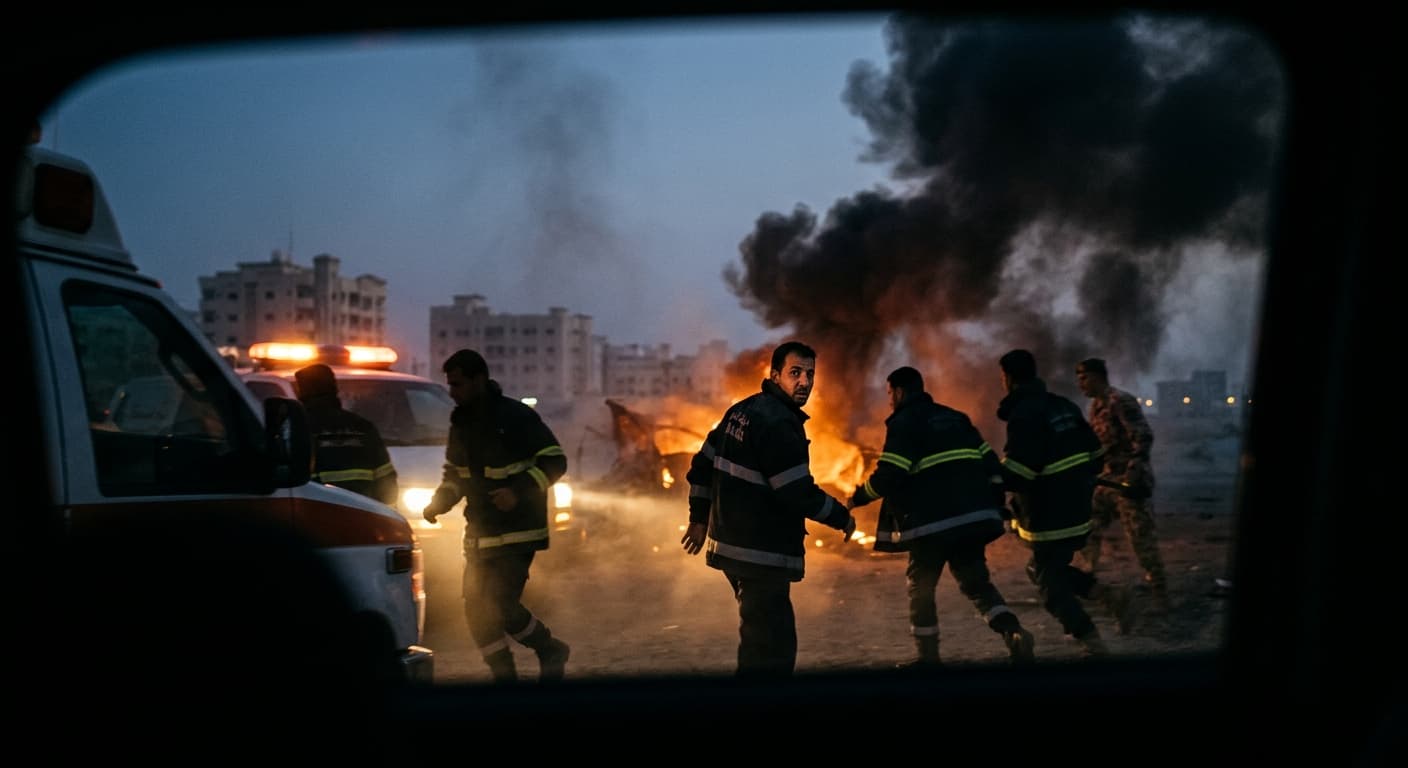
Iran Strikes Bahrain and Kuwait Amid US Ties
Iran's IRGC claims missile strikes on 85 US sites in Bahrain and Kuwait after the US revokes its oil sales license, escalating regional tensions.
International Relations
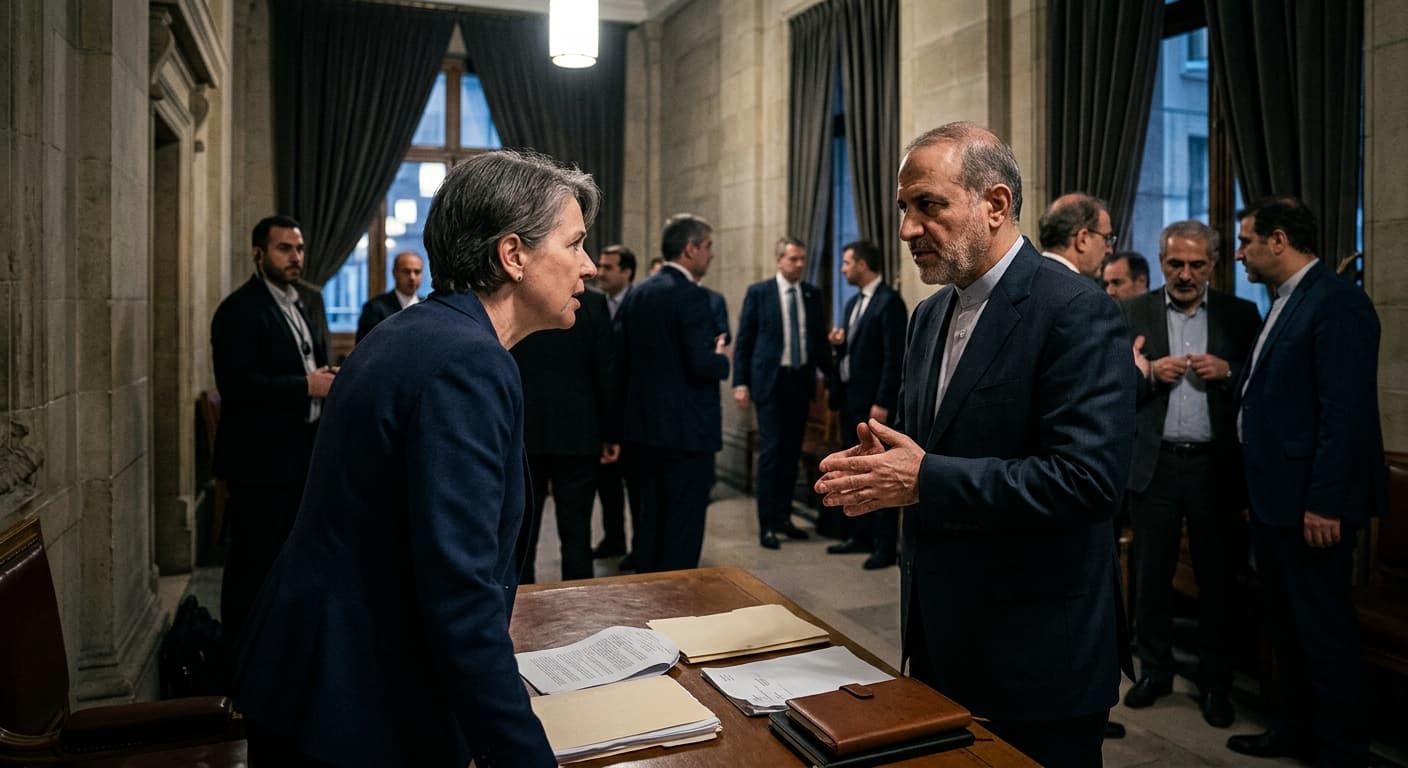
US-Iran Talks: Disputed Agreements Unveiled
US-Iran talks expose deep disagreements over nuclear inspections and sanctions relief, leaving any agreement uncertain as both sides hold firm on core demands.
Global Politics
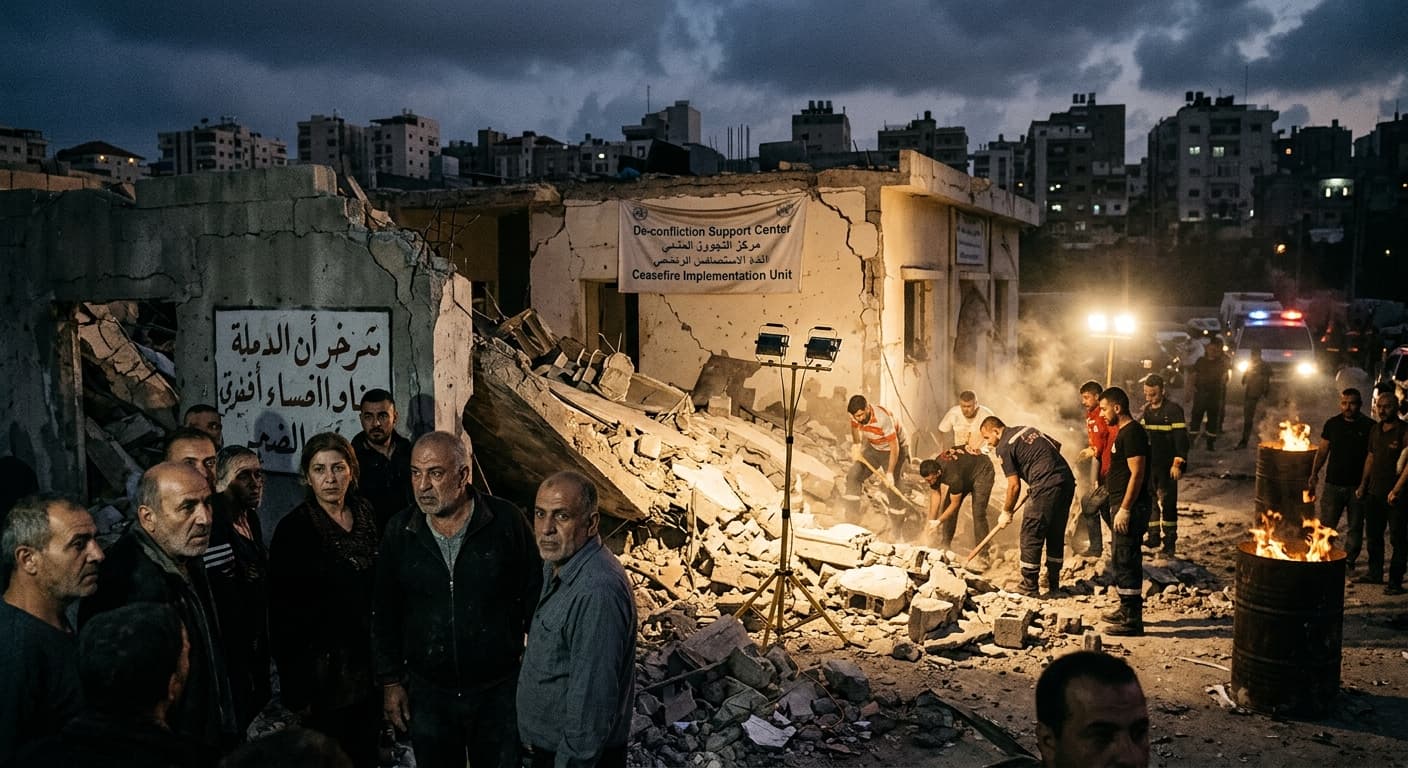
Iran's De-confliction Cells Face Lebanon Test
The US-Iran ceasefire's de-confliction cells face an early test as Israel presses strikes in Lebanon, straining the fragile deal and wider US-Iran relations.
International Relations
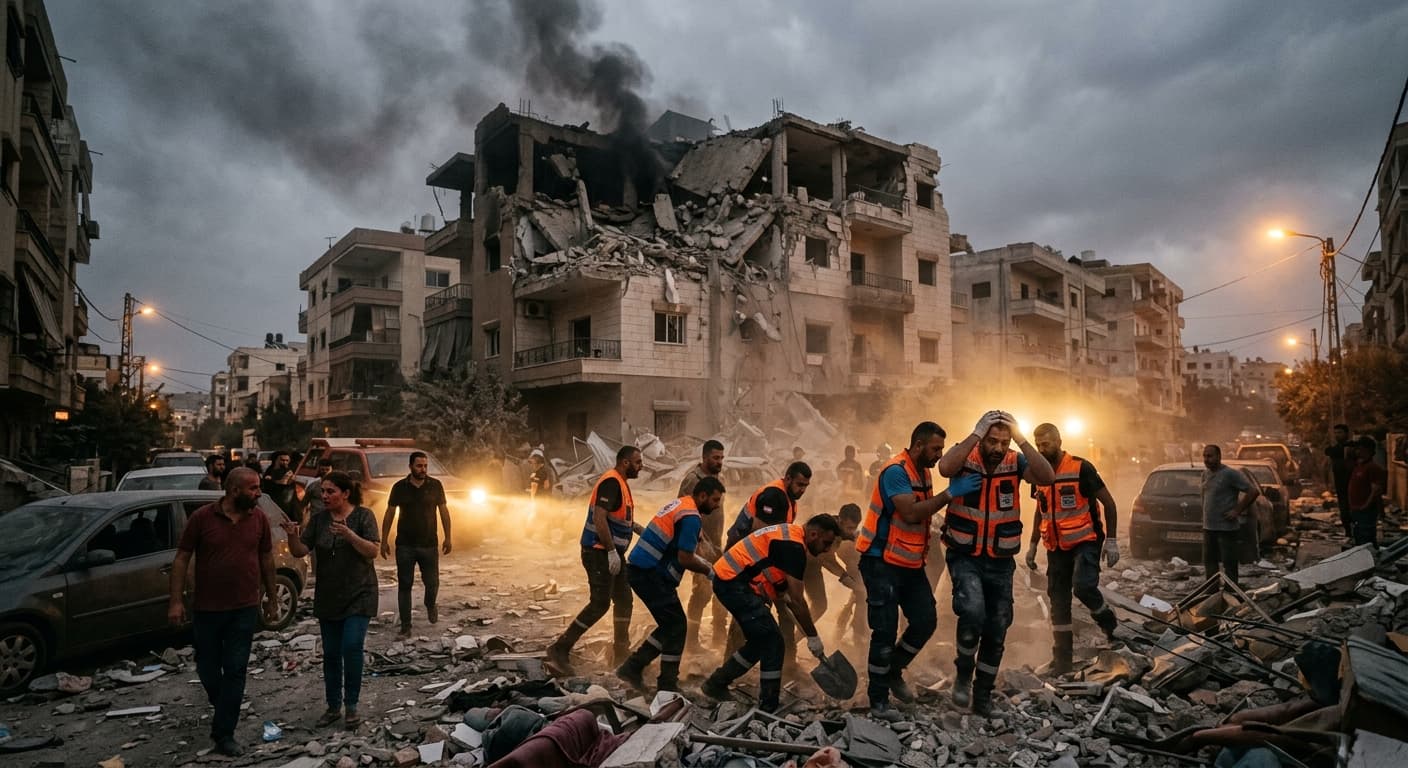
Nabatieh Ceasefire Unravels Amid Attacks
Israeli airstrikes resumed in southern Lebanon, killing 16 near Nabatieh as a fragile ceasefire with Hezbollah collapses and regional tensions escalate.