Trump's War Powers Challenge
Congress struggles to assert control over Iran war powers.
Model Diplomat3 min readNorth America
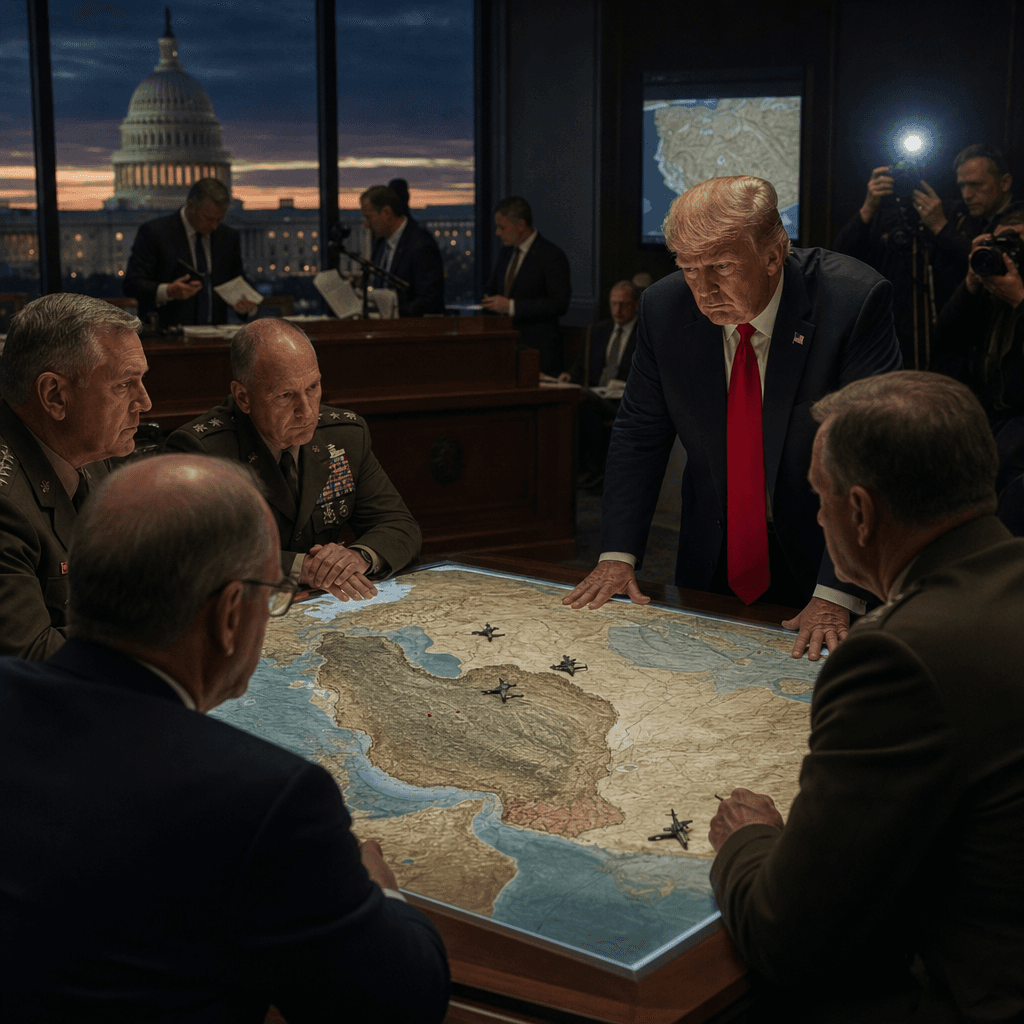
Trump Hits Iran War Deadline With Congress Weakened
May 1 triggers the War Powers clock on Iran, but failed House and Senate votes show Trump still controls escalation, pause, or legal workaround.
Friday is the 60-day mark in the U.S.-Israeli war with Iran, putting President Donald Trump at the point where the War Powers Resolution says U.S. forces must stop unauthorized hostilities unless Congress approves them — or the president uses a limited 30-day extension to withdraw safely. The immediate power reality is simpler: Trump still holds the initiative because Congress has not shown it can stop him. A deadline for the Iran war is here. What does the War Powers Act say?
50 U.S. Code § 1544 - Congressional action
Why the deadline matters less than the votes
The War Powers framework requires the president to notify Congress within 48 hours of introducing U.S. forces into hostilities, then bars those forces from remaining beyond 60 days without a declaration of war or specific authorization, with a possible 30-day extension for withdrawal. 50 U.S. Code § 1543 - Reporting requirement
50 U.S. Code § 1544 - Congressional action
But the statute is not self-enforcing. That is why the key signal has been Congress’s failure to translate legal objections into binding votes. In the House, a measure to block further Iran strikes failed 214-213. How every House member voted to block Trump from ordering Iran strikes In the Senate, a resolution to end U.S. hostilities in Iran failed 47-52; Rand Paul was the only Republican to back it.
Senate votes against ending Iran war, but tougher votes are coming
That leaves the main beneficiaries clear: the White House, which keeps operational flexibility; the Pentagon, which avoids an abrupt legal stop; and Israel, whose campaign remains backed by U.S. power unless Trump changes course. The losers are equally clear: congressional Democrats who forced votes but lost, and Republican skeptics who warned about open-ended war but did not assemble a bloc large enough to matter. For US Politics, this is less a legal test than a measure of whether partisan loyalty now outruns institutional power.
The real contest is over definition, not text
Trump’s strongest advantage is that presidents of both parties have long treated war-powers deadlines as politically negotiable. The administration’s likely path is not to deny the clock exists, but to argue that current operations, any ceasefire enforcement, or a phased drawdown fit within presidential authority. That is the space where Congress usually loses: the president acts, lawmakers object, and the battlefield moves faster than the chamber. Did Trump need Congress to attack Iran? Experts analyze US war powers
What to watch next
Watch for a formal presidential message to Congress invoking the law’s 30-day withdrawal provision, or for the White House to narrow the mission’s legal definition while keeping pressure on Iran. Also watch whether dissenting Republicans such as Rand Paul or critics like John Curtis, who warned against continuing beyond 60 days without approval, move from rhetoric to funding leverage. If they do not, May 1 will matter most as a headline — not a brake. Senate votes against ending Iran war, but tougher votes are coming For the wider role of the
United States, that would confirm the core fact of this crisis: Congress can still protest war, but Trump still decides its pace.
Discover more
Conflict & Security
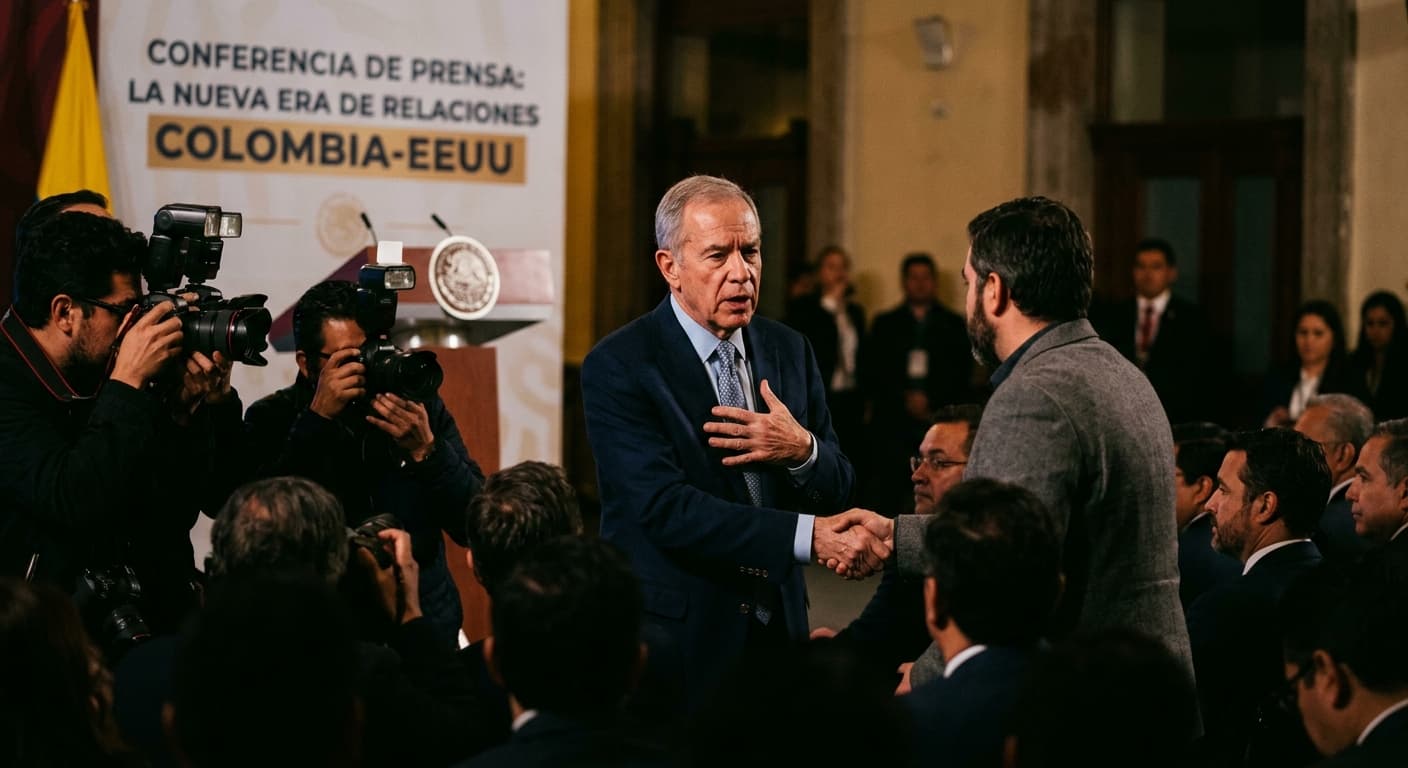
De la Espriella's Razor Win Resets US-Colomb
De la Espriella's razor-thin election win signals a reset in US-Colombia relations, reshaping security ties and the agenda under a Trump-aligned approach.
International Relations
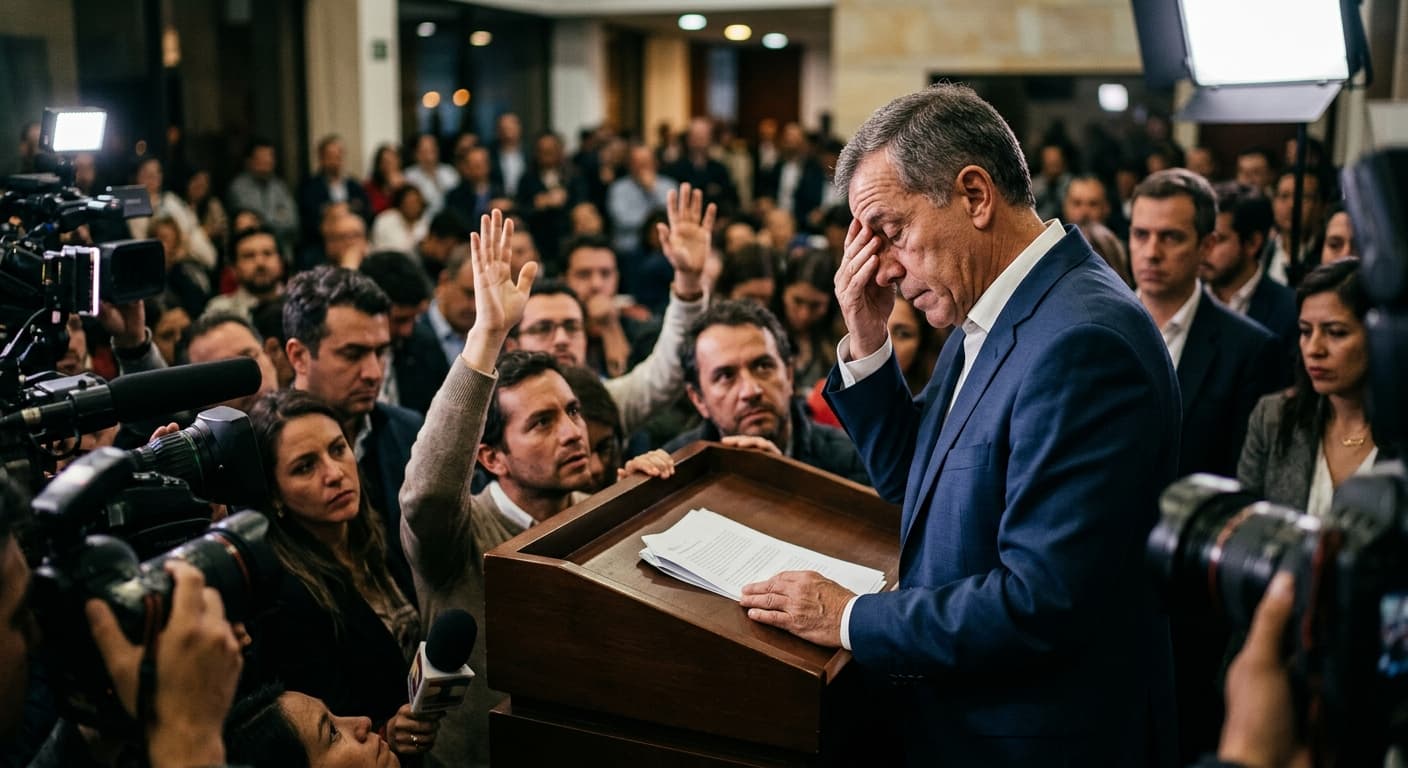
Colombia's Razor-Thin Rightward Pivot
Colombia swings right as Abelardo de la Espriella narrowly wins the presidential runoff by under one percent, exposing a deeply divided and polarized nation.
Global Politics
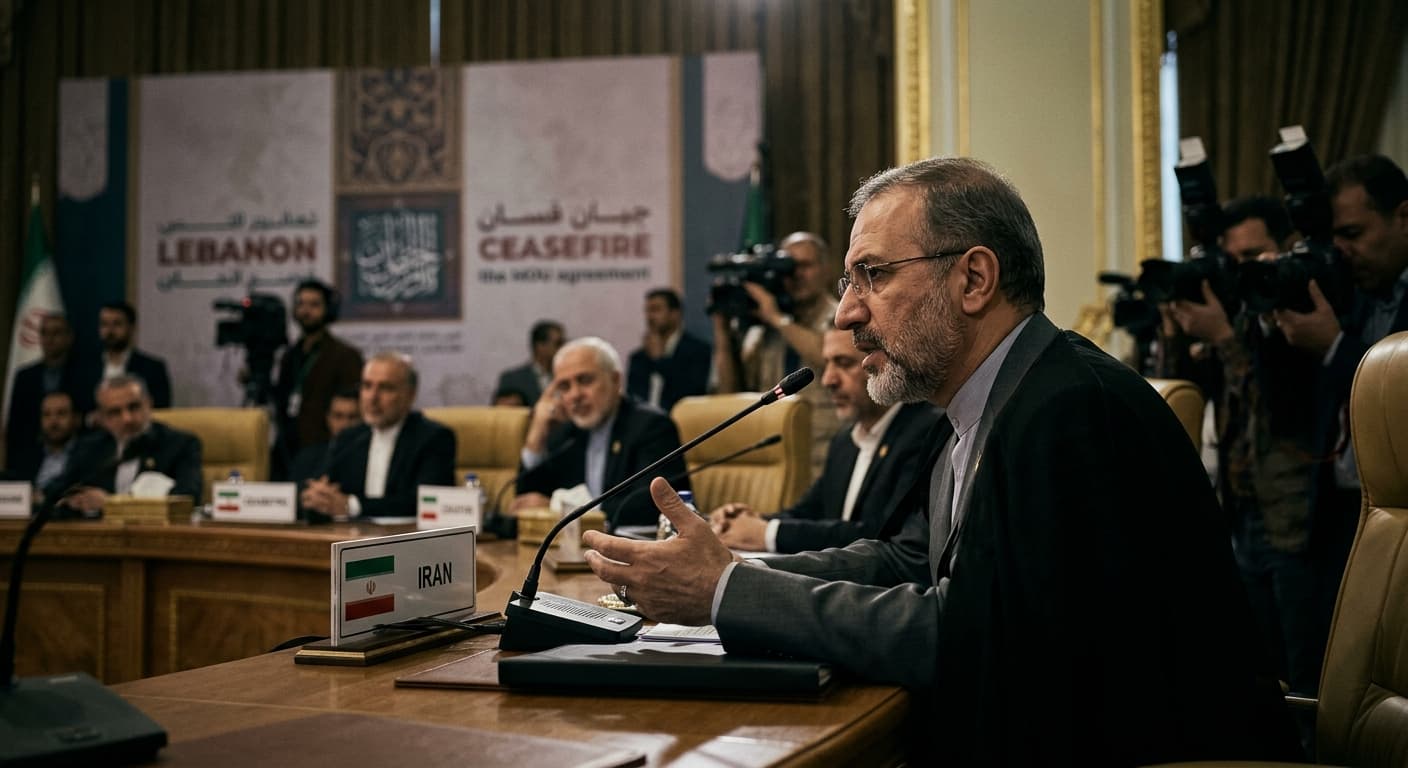
Iran Demands US Enforce Ceasefire
Iran insists the United States must enforce a ceasefire in Lebanon to uphold the memorandum of understanding, raising pressure on Washington and Netanyahu.

Conflict & Security
Trump's Iran Deal Faces Bipartisan Backlash
Trump's Iran deal draws fierce criticism from both Republicans and Democrats, exposing deep political divides over the ceasefire and the terms of the agreement.