House GOP's DHS Funding Standoff
House Republicans leverage DHS funding for immigration enforcement
Model Diplomat3 min readNorth America

House GOP’s DHS Fight Is Now a Leverage Battle Over Border Money
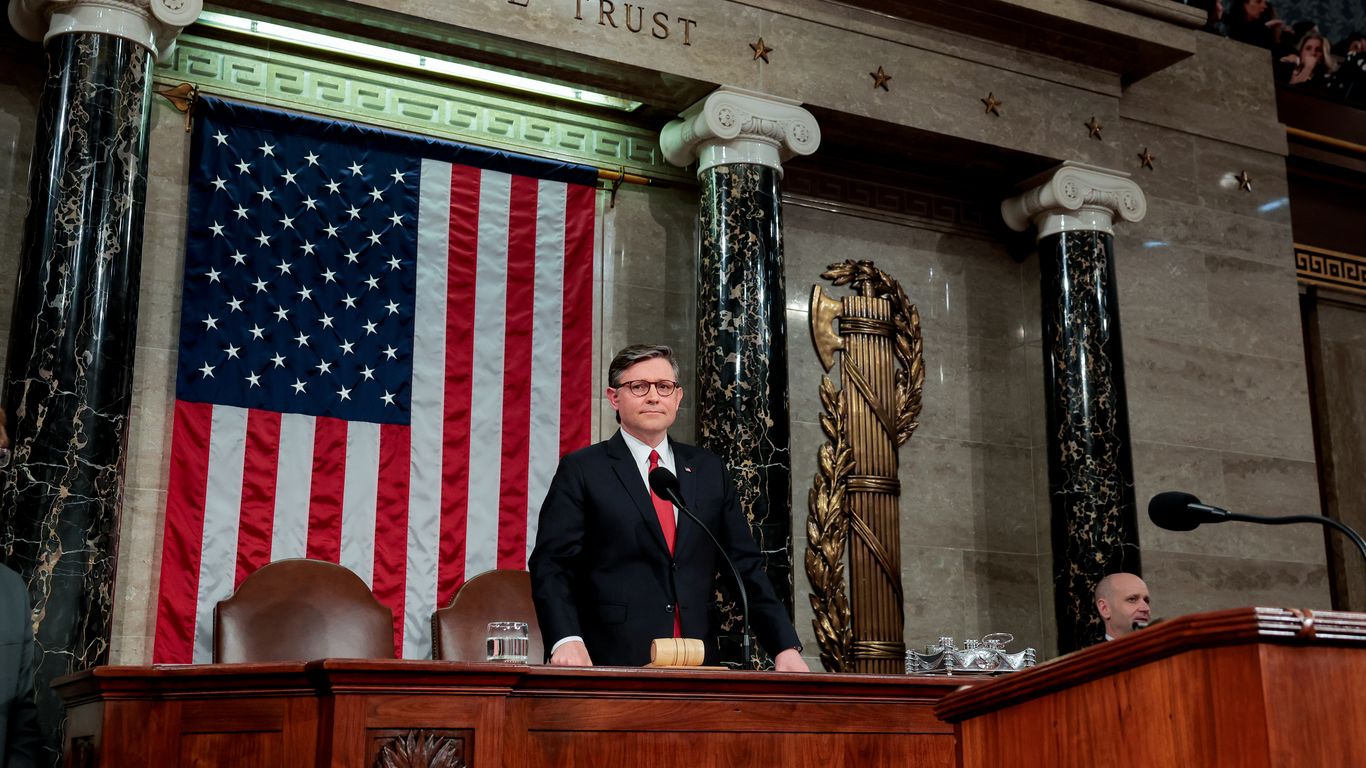
Speaker Mike Johnson and House conservatives hold the choke point: the Senate already has a bipartisan path to fund most of DHS, but House Republicans are using control of the floor to demand separate or larger immigration-enforcement money before moving. The immediate losers are TSA workers, airport operations, and agencies trapped inside the broader DHS funding lapse; the potential political loser is Johnson if operational strain starts to outweigh the border-funding leverage he is protecting.
Six storylines from the search results define the picture:
-
House Republicans are under intensifying pressure to act. CNN reported on April 27 that Hill Republicans were bracing for a “nightmare week” as the DHS funding standoff collided with other must-pass business, and that Johnson was resisting a simple vote on the Senate package while Republicans argued over fixes and sequencing. That matters because it shows the fight is no longer just ideological; it is now competing directly with floor time and leadership bandwidth. Source:
CNN, April 27, 2026
-
GOP leaders have discussed a two-track solution, but it has not resolved the core dispute. CNN reported on April 1 that leaders were floating a plan to reopen or fund DHS while separately pursuing a larger immigration package through reconciliation. The obstacle is obvious: conservatives want guarantees on border and enforcement funding, while a clean or partial DHS bill reduces their bargaining power. Source:
-
Senate Republicans tried to change the leverage equation with a large immigration plan. On April 21, CNN said Senate Republicans unveiled a $70 billion immigration proposal aimed at funding enforcement priorities and ending the DHS impasse. That is the clearest sign that Senate GOP leaders understand Johnson’s problem: House conservatives do not want to surrender the DHS hostage without a bigger enforcement payoff. Source:
CNN, April 21, 2026
-
The House had already chosen confrontation over the Senate deal. CNN reported on March 27 that House Republicans rejected the Senate DHS agreement and passed a short-term alternative, prolonging the shutdown. That was the decisive move that turned this from a bicameral negotiation into an intra-Republican power test: Johnson sided with the faction that preferred more leverage over faster resolution. Source:
-
TSA workers are one of the clearest pressure points. CNN reported on February 27 that the shutdown was starting to hit TSA paychecks, with about 61,000 TSA employees affected. That shifts the cost from abstract appropriations politics to visible disruption at airports and household-level financial stress for frontline staff. Source:
-
Even a funding fix would not repair operations immediately. CNN reported on March 27 that funding TSA would not fix long airport lines overnight because staffing losses and attendance problems would take time to reverse. In other words, Johnson’s caucus is not just risking a short-term political hit; it is extending an operational recovery window that could outlast the legislative deal itself. Source:
A useful background point is that TSA’s funding structure is complicated by passenger security fees, but that does not insulate the agency from congressional appropriations fights. CNN outlined that funding architecture on March 23. Source: CNN, March 23, 2026
What to watch next: whether Johnson allows a vote on the Senate-style DHS funding path, or insists on pairing it with reconciliation-style border funding first. The key question is not whether Republicans want more enforcement money—they do. The question is when House leadership decides that keeping leverage is costing more than it is buying.
Discover more
US Politics
Mike Johnson's House Leadership Struggles
Mike Johnson's House leadership is being tested as warring GOP factions threaten the agenda amid fights over DHS funding and FISA renewal in Congress.

US Politics
House Rules Committee Advances FISA, Farm, &
The House Rules Committee has advanced FISA reauthorization, the farm bill, and DHS funding, but each measure may still face hurdles before any floor votes.

US Politics
King Charles III's U.S. Visit Amid Trump Turm
King Charles III's US visit casts a spotlight on the tensions straining Trump's domestic agenda, from FISA renewal to the DHS funding fight in Congress.
US Politics
Senate's All-Night Vote
Senate Republicans' all-night vote on a 70 billion dollar immigration bill exposed control dynamics in Congress and the fight over DHS funding priorities.