Trump’s GOP Revolt Is About Leverage, Not Loyalty
Republicans are not rallying behind Trump’s latest asks; they are using his own agenda to force concessions on money, war powers, and process.
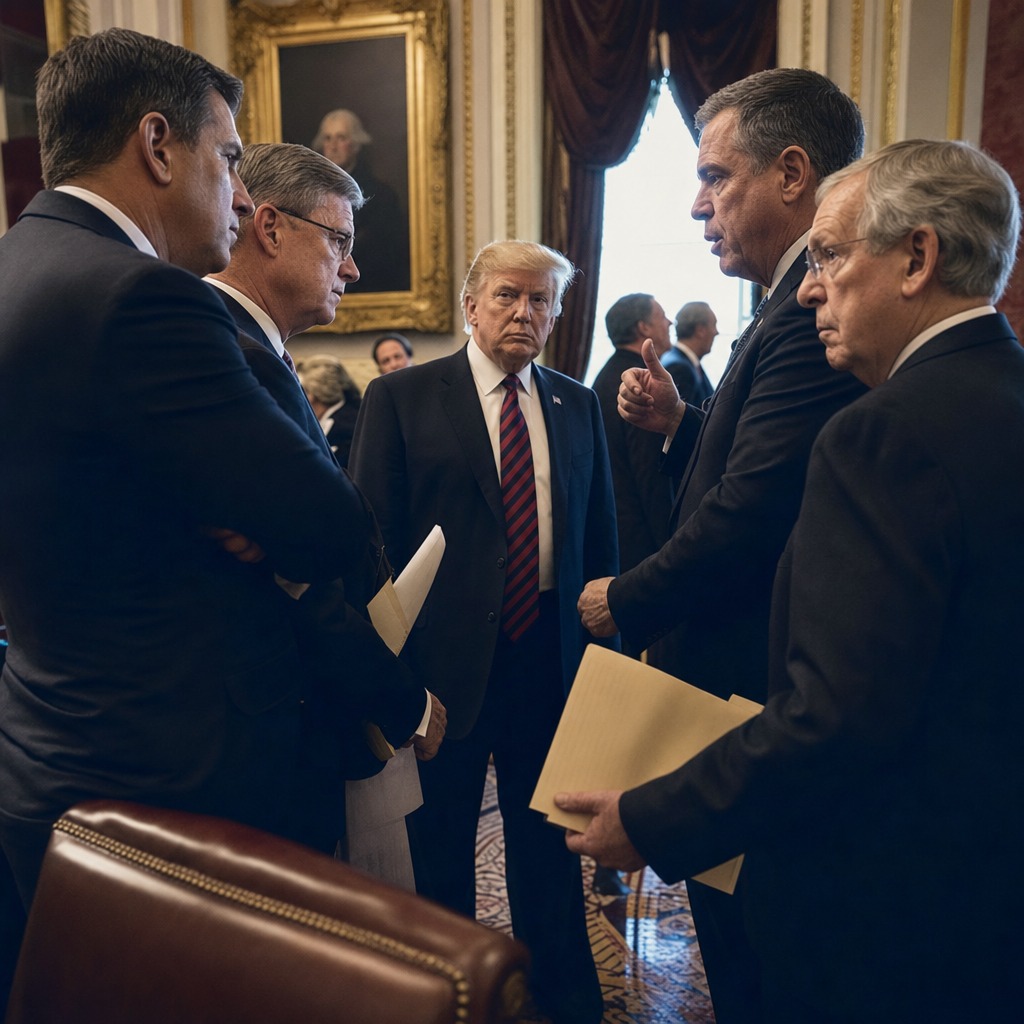
Senate Republicans walked away from Washington on Thursday without finishing a roughly $70 billion immigration-enforcement package, after intraparty fights over Trump’s White House ballroom request and a new Justice Department “anti-weaponization” fund blew up the schedule, according to  Politico and
  CBC. That is the real power dynamic: Trump still sets the agenda, but he no longer controls the floor.
The Republicans who matter are the ones saying no
The immediate fight is procedural, but the politics are larger. Senate Republicans had already dropped a $1 billion White House security item tied to Trump’s ballroom after backlash inside their own conference,  The Globe and Mail reported. Then the Justice Department’s $1.7 billion settlement fund for people claiming political persecution — branded by critics as a “MAGA slush fund” — made the bill even harder to move. The result was not a clean party-line show of force, but a pause.
That pause matters because it exposes where the pressure point is in Trump’s Washington: not the Democratic minority, but Senate Republicans who still have enough institutional leverage to slow him down.  Bloomberg describes the ballroom and “weaponization” fight as a setback for Trump;
  The Washington Post had already reported that the Senate parliamentarian ruled the ballroom money out of bounds in reconciliation. In other words, this is not just political squeamishness. It is the Senate rediscovering its veto points.
For Trump, the benefit is still narrative control. He can frame the fights as support for border security, law-and-order politics, and compensation for allies. For Republicans, the cost is clearer: they risk owning a bill that looks less like immigration enforcement and more like a vehicle for Trump’s personal priorities. That is a harder sell in a year when appropriators, defense hawks, and swing-district members are already wary.
The deeper warning is about congressional war powers
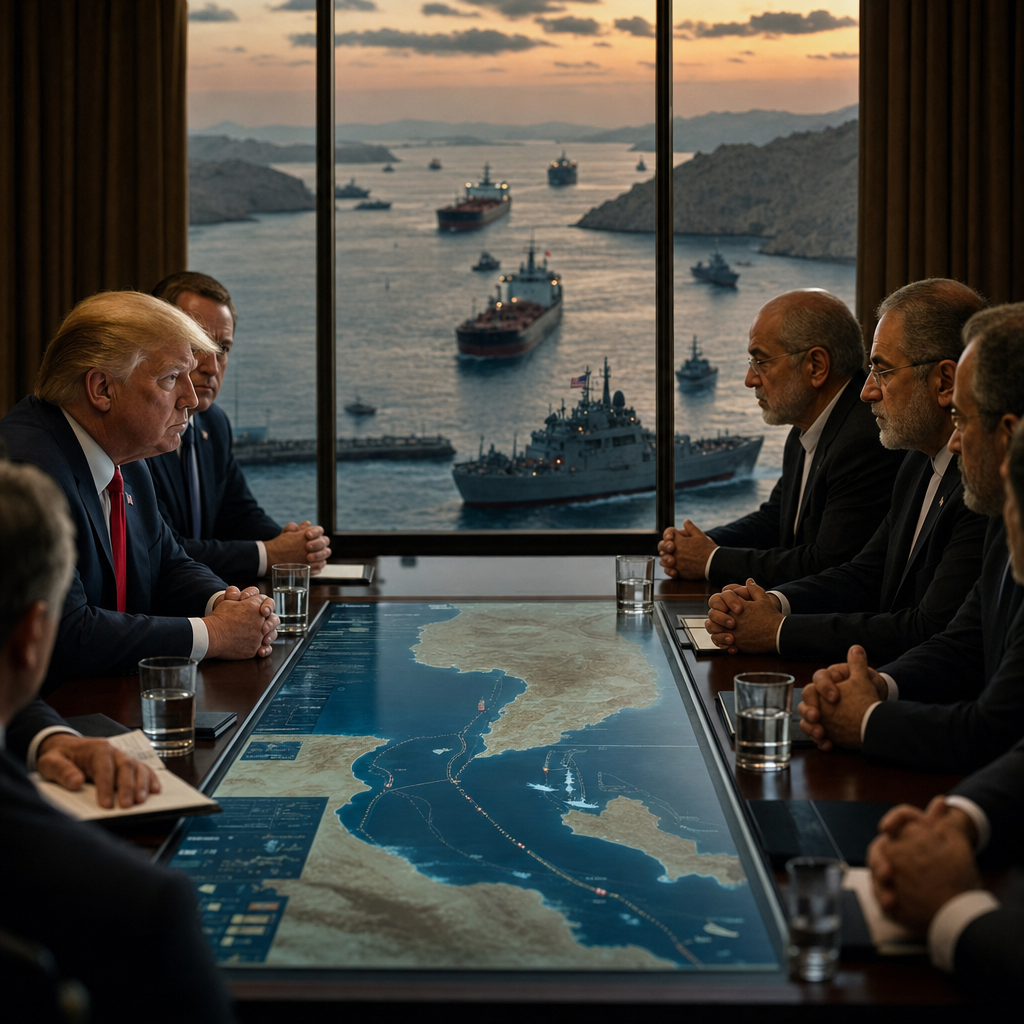
The same rebellion is showing up on Iran. CBC and The Globe and Mail reported that House Republicans delayed a war-powers vote after it became clear they might not have the votes to defeat it. Four GOP senators had already sided with Democrats on a related measure, with more Republicans signaling discomfort over Trump’s campaign in Iran and the legal clock under the 1973 War Powers Resolution.
That is the second-order effect: Trump is still forcing his party to choose between presidential power and congressional relevance. So far, some Republicans are choosing relevance — not out of principle, but because they can read the public and the calendar.
What to watch next
The next test is after the Memorial Day recess, when Senate Republicans return to the immigration bill and the White House has to decide whether to trim its demands or spend more capital on a fight it has already partially lost. Then watch the House war-powers vote in June. If enough Republicans keep defecting there, the message will be unmistakable: Trump can still command attention, but on Capitol Hill, his coalition is now conditional.
For the broader backdrop, see  US Politics and United States.