Trump’s Compensation Fund Becomes a GOP Recess Problem
Trump’s $1.8 billion anti-weaponization fund has split Senate Republicans, given Democrats a clean attack line, and stalled other GOP priorities before recess.
The Justice Department’s May 18 deal to create a $1.77 billion “anti-weaponization” fund has become a broader test of Republican discipline: Senate GOP leaders cut short work on a roughly $70 billion immigration enforcement package and left Washington for the Memorial Day break without resolving the fight, according to  Bloomberg and
  The Globe and Mail. The immediate issue is money, but the real leverage battle is over who in the Republican Party gets to say no to Trump — and who pays the price for it.
Trump still sets the terms, but senators have a veto
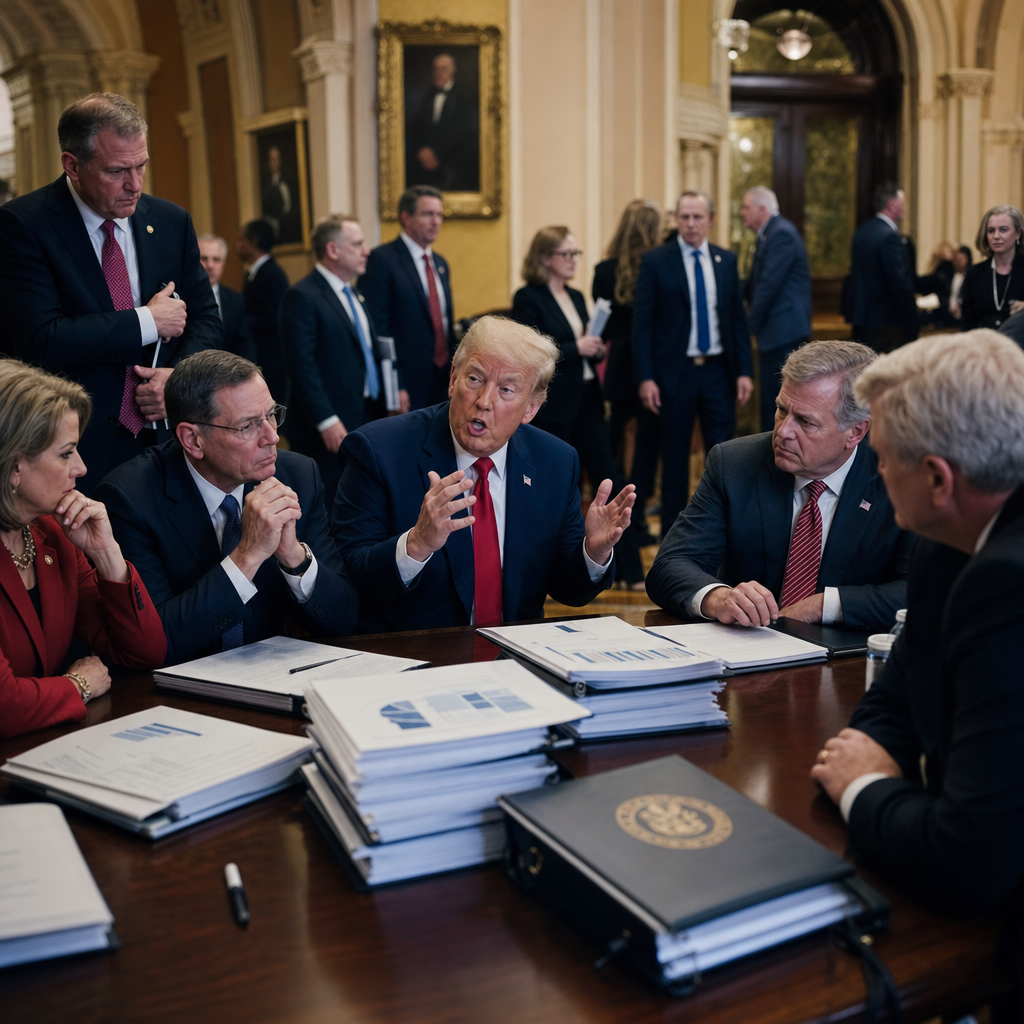
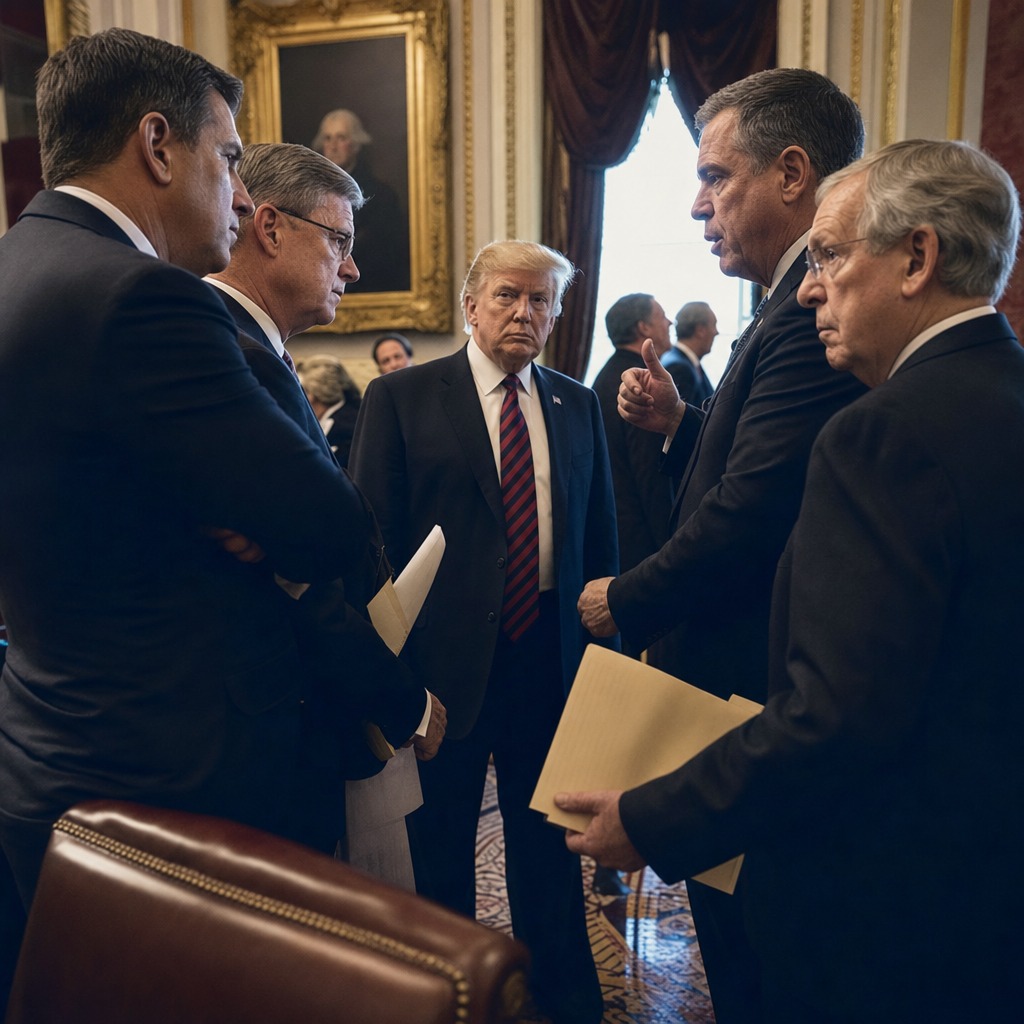
Trump has used the fund fight the way he uses most intra-party disputes: as a loyalty test. The White House and DOJ have told senators that Trump and his sons will not personally benefit from the fund and that there will be no partisan restriction on payouts, Bloomberg reported. But that reassurance has not stopped Republican resistance, especially after a tense briefing with acting Attorney General Todd Blanche and Trump’s fresh endorsement of Texas Attorney General Ken Paxton over Sen. John Cornyn, which further irritated some GOP lawmakers, according to  CBC News.
That matters because Trump’s power is real but not unlimited. He can pressure individual senators, shape the news cycle, and threaten primary retaliation. What he cannot easily do is force a divided Senate conference to swallow a politically toxic settlement before recess. For lawmakers, the fund is now part of a larger question in  United States: how much personal loyalty the GOP can still demand without paying an institutional price.
Democrats found the cleanest possible attack line
Democrats are exploiting the fund’s weakest point: the possibility that taxpayer money could end up compensating Jan. 6 defendants, including people convicted of attacking law enforcement. The Globe and Mail reported that Democrats planned amendments to block the fund outright or bar payments to Trump supporters who harmed officers during the Capitol riot, while Bloomberg said Senate Democrats were preparing to force Republicans to vote on the issue directly.
That puts Republicans in the worst possible procedural box: defend the fund and risk looking soft on Jan. 6, or try to rewrite it and risk angering Trump. The result is that Democrats have already achieved one objective — turning a legal settlement into a broader corruption and accountability story. The fight is no longer about the IRS leak that triggered Trump’s lawsuit; it is about whether Congress will let the administration create a taxpayer-financed grievance program with almost no clear boundaries, as CBC News noted.
What to watch next
The next decision point is the week of June 1, when lawmakers return from recess and Senate Republicans have to decide whether to revive the immigration bill, revise the fund language, or let the issue keep bleeding into the summer agenda. Watch for two signals: whether GOP senators back any restriction on payouts to Jan. 6 defendants, and whether Democrats can keep the fund front-and-center on Sunday shows and in committee action, including the Finance Committee push for an investigation reported by Bloomberg.
*