Supreme Court’s UAPA Bail Split Shifts Leverage to Defence
[The Court has asked a larger bench to settle whether long pre-trial detention can cut through UAPA’s bail bar, a move that could reshape dozens of pending terror cases.]
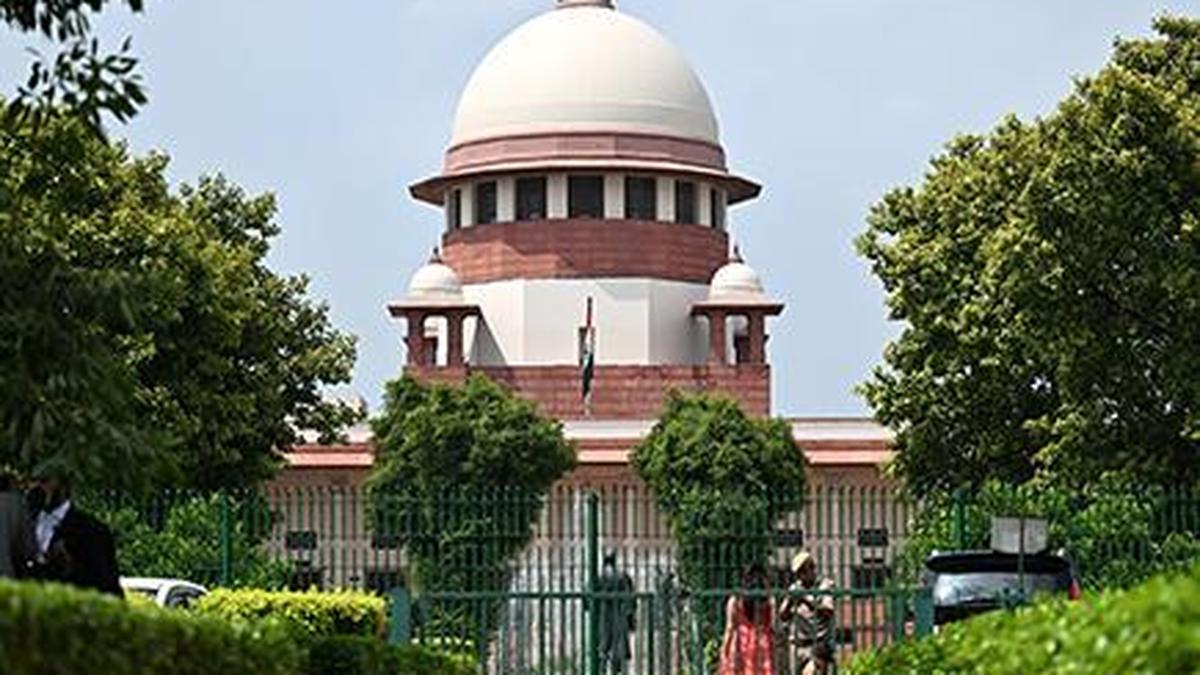
On May 22, the Supreme Court gave six months’ interim bail to Abdul Khalid Saifi and Tasleem Ahmad in the 2020 Delhi riots case and, more importantly, referred to a larger bench the question of whether prolonged incarceration and trial delay can override UAPA’s strict bail bar ( The Hindu). That is not automatic relief for all UAPA accused. It is a signal that the Court is no longer comfortable leaving Article 21 to sit entirely behind Section 43D(5) of the anti-terror law.
The real fight is over who sets the default
The power dynamic here is simple: the state has used UAPA to hold the line on custody, while defence lawyers have tried to turn prolonged incarceration into a constitutional argument. Under UAPA, bail is hard because courts generally won’t release an accused if the prosecution shows a prima facie case. But the Court’s own precedent in K.A. Najeeb says that years in jail without trial can justify bail because the Constitution’s guarantee of personal liberty cannot be made subordinate to a statutory embargo (The Hindu).
That is why the Delhi riots cases matter beyond the individuals involved. In January, the Court denied bail to Umar Khalid and Sharjeel Imam in the “larger conspiracy” case, while granting relief to five others; the same judgment treated Khalid and Imam as “alleged masterminds” after more than five years in custody, according to the reporting cited by The Hindu. A later bench then questioned whether that reading had diluted Najeeb too far (The Hindu;  Hindustan Times).
What this changes for UAPA cases
The larger implication is institutional, not just doctrinal. The Court is trying to stop coordinate benches from pulling UAPA bail law in opposite directions. The Hindustan Times reported that one bench referred the matter to the Chief Justice of India for an “authoritative resolution,” after another bench had openly questioned the earlier January ruling (Hindustan Times). In other words, the Court is acknowledging that the current balance between national security and personal liberty is unstable.
That instability cuts both ways. If the larger bench restores Najeeb as the controlling rule, defence teams in long-running UAPA cases gain a much stronger lever: delay itself becomes a serious bail ground. If the bench narrows Najeeb, prosecutors and the NIA keep the upper hand, and long pre-trial detention remains a feature, not a bug, of the law. India Legal’s reporting on the same line of cases notes that the Court also pointed to the low conviction rate in UAPA prosecutions as part of the broader constitutional concern ( India Legal).
What to watch next
The next decision point is the Chief Justice’s constitution of the larger bench. That bench will decide whether Najeeb remains a real brake on prolonged detention or becomes a narrow exception. The practical test case is already in front of the Court: the Delhi riots conspiracy prosecutions. Whatever the larger bench says will travel quickly through pending UAPA appeals nationwide.