Russell’s Sprint Win Exposes Mercedes’ Power Split in Montreal
Russell beat Antonelli on track, but the bigger result was Mercedes letting two drivers fight for authority before Sunday’s Grand Prix.
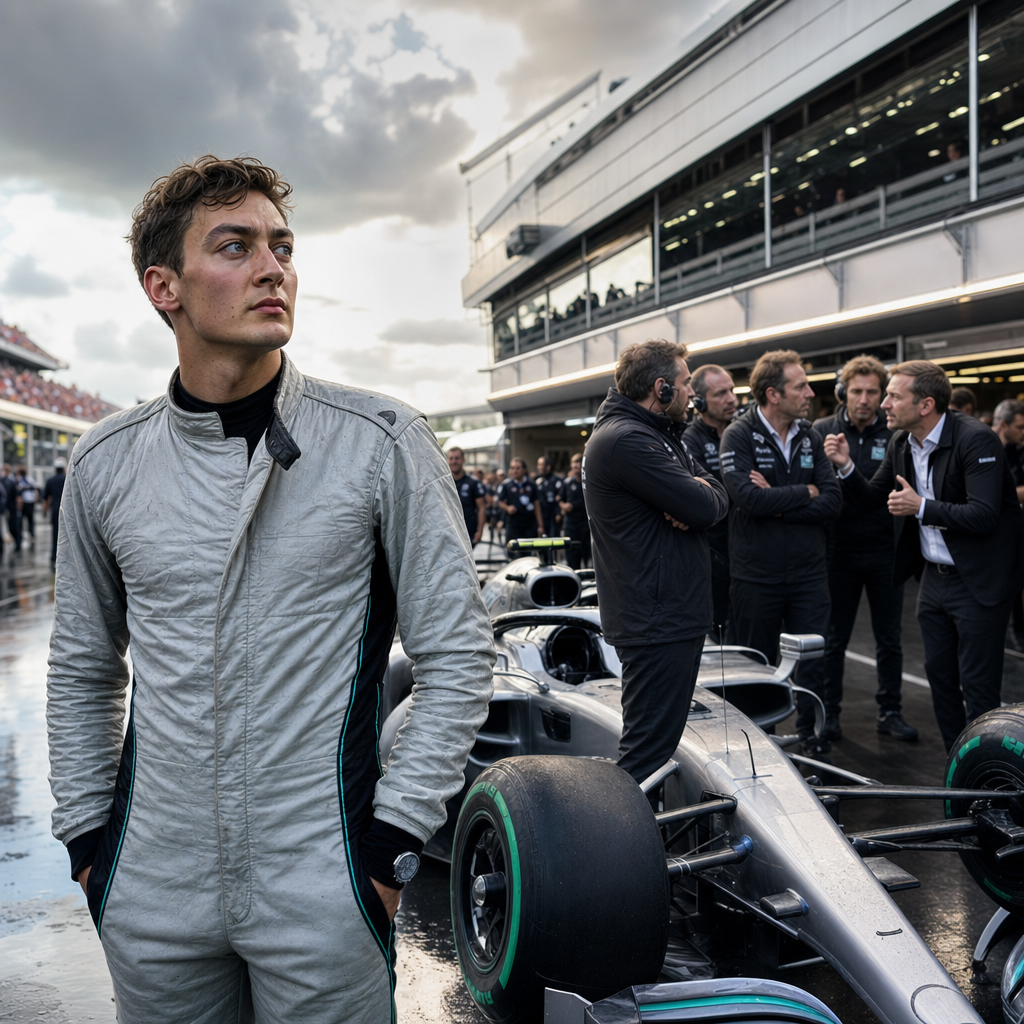
George Russell won the Canadian Grand Prix sprint from pole on Saturday, but the race was really a test of who gets to set the rules inside Mercedes. On lap six, Kimi Antonelli attacked around the outside at Turn 1, the cars made contact, and the 19-year-old Italian was forced onto the grass before firing complaints on the radio that Russell had been “very naughty” and should be penalized, according to  Reuters and
  AP. Team principal Toto Wolff shut that down in public, telling Antonelli to “concentrate on the driving, please, not on the radio moaning,” Reuters reported.
Mercedes is managing a hierarchy, not just a race
The power dynamic is straightforward: Russell is the established race winner; Antonelli is the highly rated future asset; Wolff is trying to keep both inside the same box. That is a classic institutional problem, and it is why this fight matters more than the sprint points. Russell argued he was simply defending hard and said he was not investigated, while Antonelli said he needed to review the incident before drawing conclusions, according to Reuters and AP. The message from the pit wall was clear: Mercedes will tolerate aggression, but not a public breakdown of discipline.
This is the kind of internal contest that looks familiar in  Global Politics: one actor asserts leverage in real time, another demands a rule-based settlement, and the referee only matters if both sides accept the ruling. Russell’s edge is experience and composure under pressure. Antonelli’s edge is ambition, pace, and the fact that Mercedes needs him to grow into a title-level driver without destabilizing the team.
Why the sprint format makes this more important
The sprint was the right place for a warning shot. It covers 23 laps and pays a maximum of eight points, compared with 25 for Sunday’s Grand Prix, AP noted. That means Mercedes could let the drivers race hard without risking the full Sunday haul. Wolff said exactly that in the BBC’s account, calling it “great cinema” and saying he would rather work through the issue in a sprint than in the main race, where a collision would be far costlier ( BBC Sport).
Russell also reinforced the hierarchy later in qualifying by taking pole for Sunday’s Grand Prix, beating Antonelli by 0.068 seconds, BBC Sport reported. That matters because it turns a one-off scrap into a pattern: Russell is not just winning the internal argument, he is doing it in the same weekend.
What to watch next
The next decision point is Sunday’s start. If Russell and Antonelli end up side by side again, Mercedes will have to decide whether to let them race freely or impose a clearer order before the team’s own cars start costing each other points. Watch for Wolff’s internal review after qualifying and for any change in how aggressively Antonelli is allowed to attack the lead car before the Grand Prix, Reuters and BBC Sport both indicated.