Noida’s Wage Hike Buys Calm, Not Security
Uttar Pradesh raised minimum pay in Noida after protests, but ₹13,690 still leaves industrial workers one rent payment away from crisis.
Uttar Pradesh has conceded to worker pressure, lifting monthly minimum wages in Gautam Buddha Nagar and Ghaziabad after a wave of protests over pay and conditions,  The Hindu reports. For unskilled workers, the floor rises to ₹13,690 a month from ₹11,313; semi-skilled workers get ₹15,059 and skilled workers ₹16,868. The government also promised double overtime, weekly holidays, payday discipline, a bonus, and an anonymous complaints box, The Hindu says.
The real leverage was disruption
This was not a technocratic wage revision. It was a political response to unrest in one of India’s most sensitive industrial corridors. Noida sits beside Delhi, feeds export and supplier chains, and hosts thousands of contract workers whose stoppages can quickly become a business problem. The state moved because the alternative was prolonged disruption, not because ₹13,690 suddenly matches living costs.
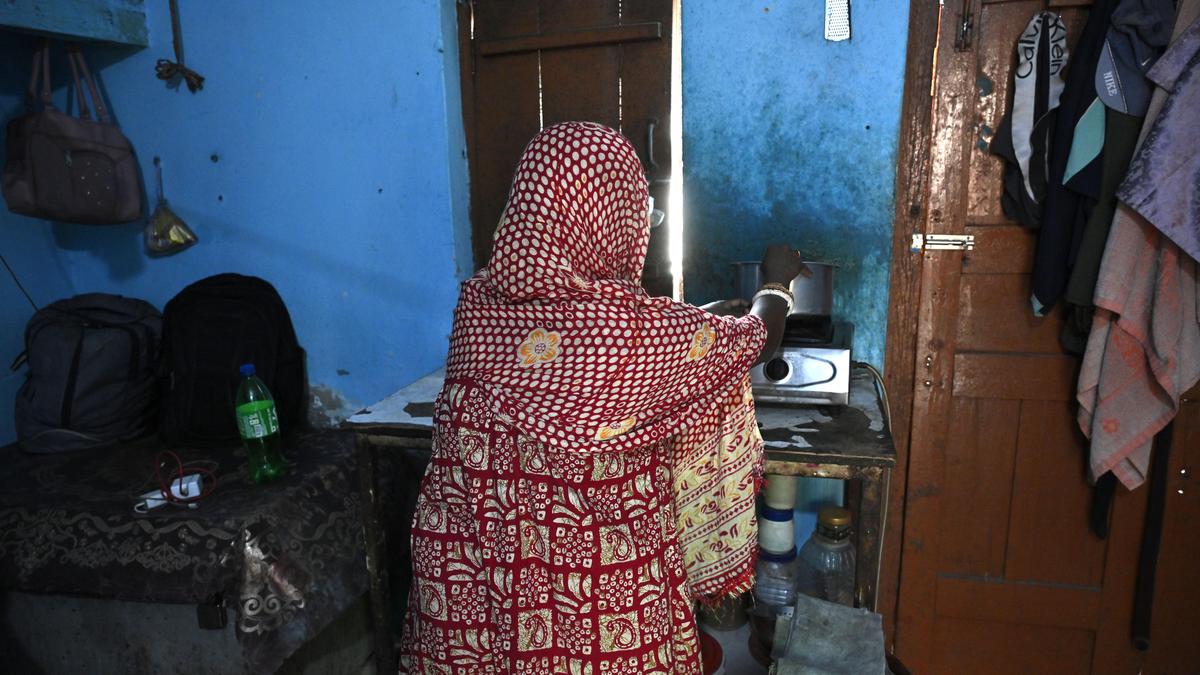
That matters because the new wage still looks more like damage control than redistribution. In the same reporting, workers describe rent alone consuming ₹5,000 a month, with food, travel, phone bills and household costs swallowing the rest. One worker told The Hindu he had no idea how to manage on ₹11,000. Another said the body can only absorb so much overtime. The state has raised the floor, but it has not changed the arithmetic of urban survival.
Noida’s growth has not translated into wages
The deeper problem is that Noida’s industrial success has not been matched by broad-based pay growth.  The Indian Express notes that Gautam Buddha Nagar contributed 11.05% of Uttar Pradesh’s GDP in 2024–25, making it the state’s largest district economy, yet average wages for lower-paid workers have lagged while supervisory salaries rose much faster. That is the core political tension: workers see rising output and rising real-estate prices; they do not see the gains.
This is why the issue is now bigger than Noida.  Asia News Network places the protests in a wider north Indian wave, with workers in Haryana, Gujarat, Punjab and elsewhere pushing against stagnant wages, expensive cooking gas, and insecure contract work. The minimum-wage fight is becoming a regional contest over who absorbs inflation: workers, or the factories that depend on them.
What to watch next
The key test is implementation. The government has promised higher wages and overtime compliance, but the real issue is whether firms actually pay, especially in the contract-heavy units that dominate Noida’s industrial base. Watch for three things: whether employers quietly trim headcount or hours to offset the hike; whether the Labour Department enforces the new rules; and whether the wage revision becomes a benchmark for other NCR districts.
If the answer to those questions is no, the next round of pressure will not be about a few hundred rupees more. It will be about whether India’s manufacturing model can keep workers in the city at all. For a broader view on how labour stress is shaping Indian politics and industry, see  India and Global Politics.