Modi Turns Recruitment Into a Clean-Govt Signal
By handing out 51,000 appointment letters, the Centre is trying to turn hiring into a trust signal — and a political message.
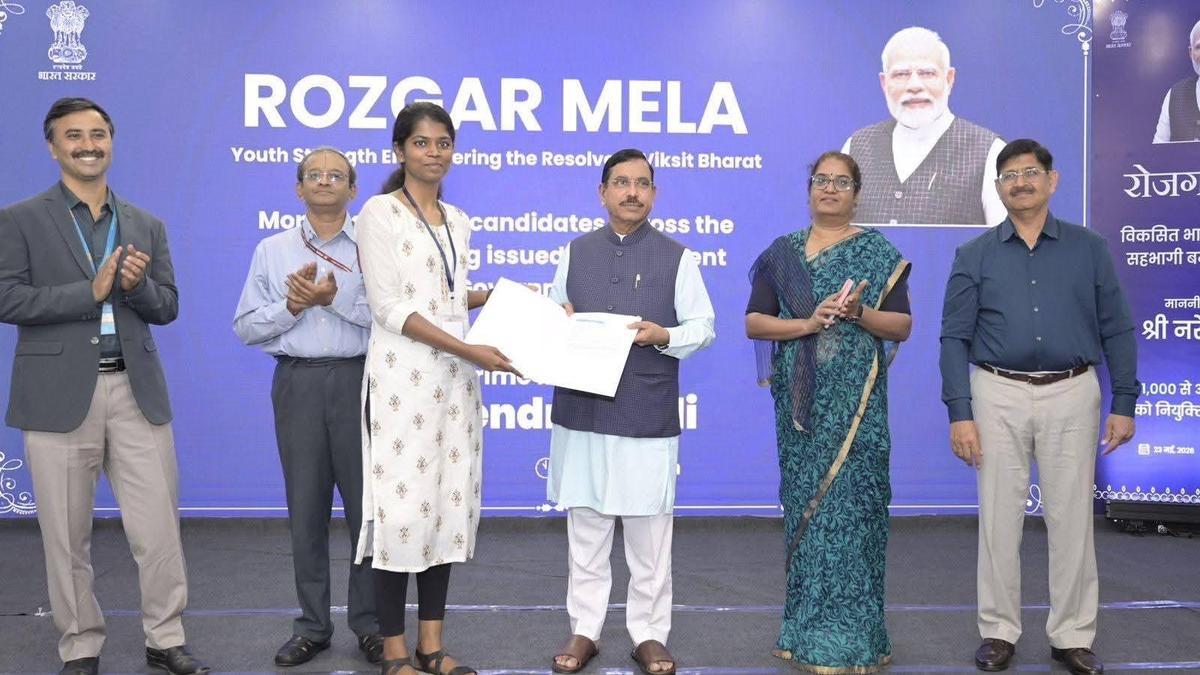
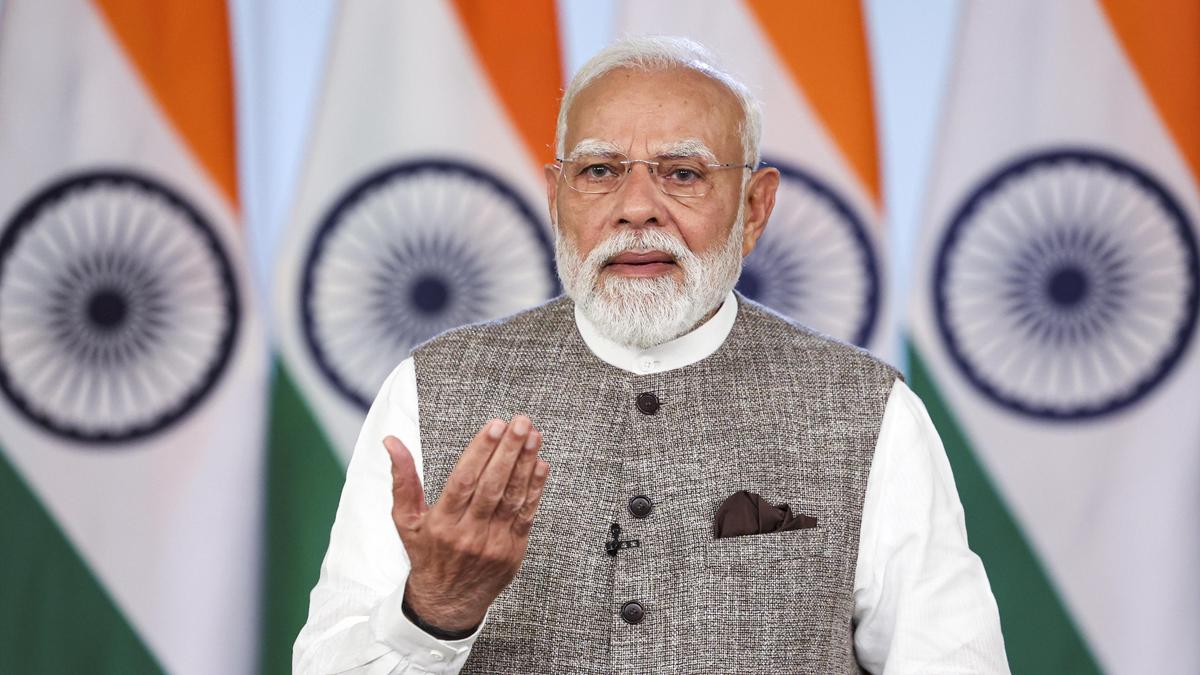
The Centre is using the 19th Rozgar Mela to project recruitment as proof of clean governance. Union Minister Pralhad Joshi said the government is committed to “transparent and corruption-free” hiring while addressing new appointees in Hubballi after distributing letters to 150 candidates from Railways, banking, postal and assistant lecturer posts, according to  The Hindu. The event was part of a nationwide drive in which Prime Minister Narendra Modi virtually launched the 19th edition of the programme and, according to
  The News Mill, more than 51,000 appointment letters were issued across more than 50 locations.
What the Centre is really signaling
This is not just about jobs. It is about the state trying to show it can still deliver one of the most politically sensitive services in India: public-sector recruitment. In a country where hiring is routinely attacked as slow, opaque or captured by middlemen, a stage-managed appointment-letter handover is a credibility exercise. The government is telling young recruits that the route into the system runs through Modi’s administration, not local patronage networks.
That matters because public employment carries outsized political value in India. The Centre gets to present itself as a provider of opportunity, while also folding recruitment into its broader “Viksit Bharat” narrative. Joshi linked the event to India’s economic stability and to gains in rail electrification and renewables, reinforcing the message that administrative efficiency and national development are being sold as the same product, The Hindu. For a government under constant pressure to prove delivery, that is a useful frame.
Who benefits, and who loses
The immediate winners are the 51,000 new appointees and the departments absorbing them, especially Railways and banking, which remain among the most coveted employers for middle-class families. The BJP also benefits: the event ties a concrete transaction — jobs — to the prime minister’s brand, while allowing ministers to claim the recruitment process is being cleaned up in real time.
The losers are less visible but more important. Any opposition argument that government hiring is politicized becomes harder to press when the Centre can point to a public ceremony, a published headcount and a national roll-out. The administration is trying to make transparency itself the political product. That message is especially potent on  India, where youth unemployment and public-sector access remain central political issues.
What to watch next
Watch whether the government follows the optics with process reform. The real test is not the number of letters handed out on one day, but whether recruitment stays predictable, grievance-free and insulated from local interference across ministries and states. Also watch whether the Rozgar Mela remains a periodic publicity event or becomes a durable hiring mechanism with measurable turnaround times.
The next cue comes from the next edition of the programme and from how quickly these new recruits actually join duty. If the appointments stall, the transparency narrative weakens. If they move fast, the Centre will have more to sell at the next public handover — and more reason to keep tying recruitment to Global Politics style governance messaging.