Cockroach Janta Party and the politics of panic
India’s parody “cockroach” party has drawn a fast state response, but the real story is youth anger over jobs and a government that knows it.
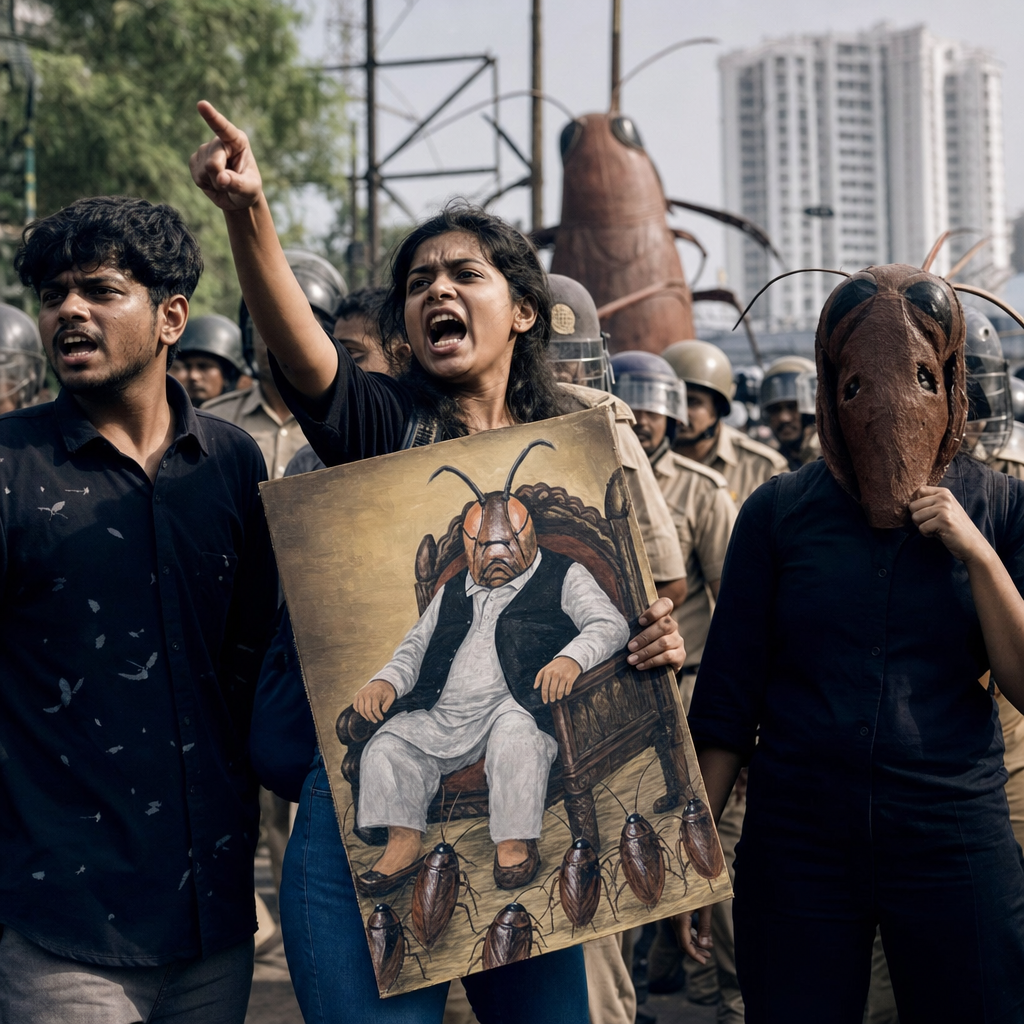
The power dynamic is already clear: the state can throttle an account, but not the grievance behind it. The Indian Express says the Cockroach Janata Party (CJP) quickly amassed a social-media audience larger than the BJP and Congress combined before its account was blocked in India, while BERNAMA reports the X account was withheld after the group surged online in the wake of comments attributed to Chief Justice Surya Kant. The speed of the response says more than the satire does: Delhi reads online mockery as a political risk, not a joke.  The Indian Express
  BERNAMA
Why the joke landed
CJP worked because it attached itself to a real economic frustration. BERNAMA says the movement was launched after remarks attributed to the Chief Justice likened unemployed youth to “cockroaches” and “parasites,” before he clarified that he had been misquoted and was referring to people using “fake and bogus degrees.” That matters because the insult resonated in a country where the jobs problem is already structural, not episodic. CNA, citing an ILO-linked employment report, says nearly 83% of India’s unemployed are youth and one in three Indians aged 15 to 29 is not working, studying or training. BERNAMA  CNA
CNA
In that setting, a meme party is not just satire. It is a shortcut for a generation that sees formal politics as locked, credentialed and unresponsive. Tavleen Singh’s column in The Indian Express makes the same point from a different angle: she argues the party’s appeal came from young Indians who feel shut out of jobs and upward mobility, not from any serious ideology. That is why the joke spread so quickly through  India: it gave form to a complaint that already existed. The Indian Express
What it signals for the BJP
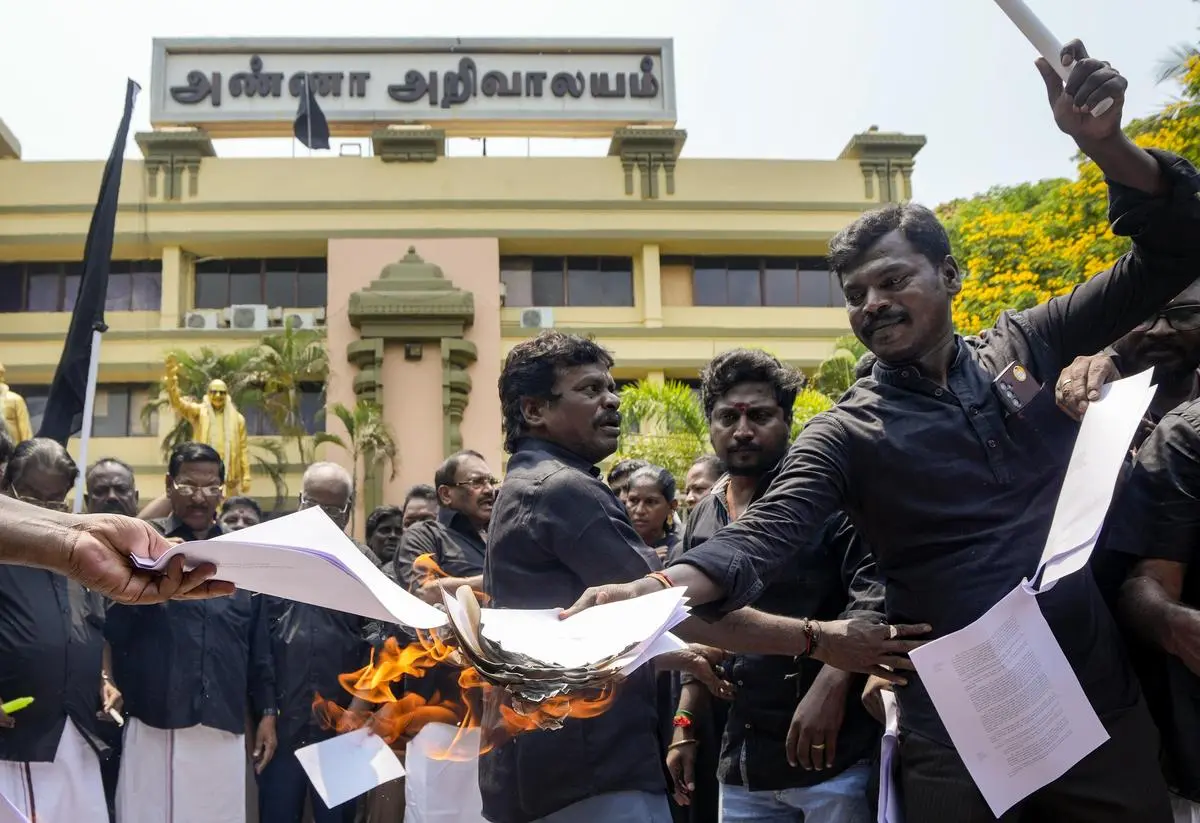
The immediate loser is the governing party’s image of control. The Indian Express says trolls rushed to frame CJP as a Pakistani or CIA-backed plot and attacked Singh personally — a familiar overreaction that only reinforces the column’s argument that the ruling party is “thin-skinned.” That pattern matters because it turns a minor digital provocation into a test of confidence: if a satirical outfit is met with censorship and abuse, it looks less like a fringe stunt and more like a channel for real discontent. The Indian Express
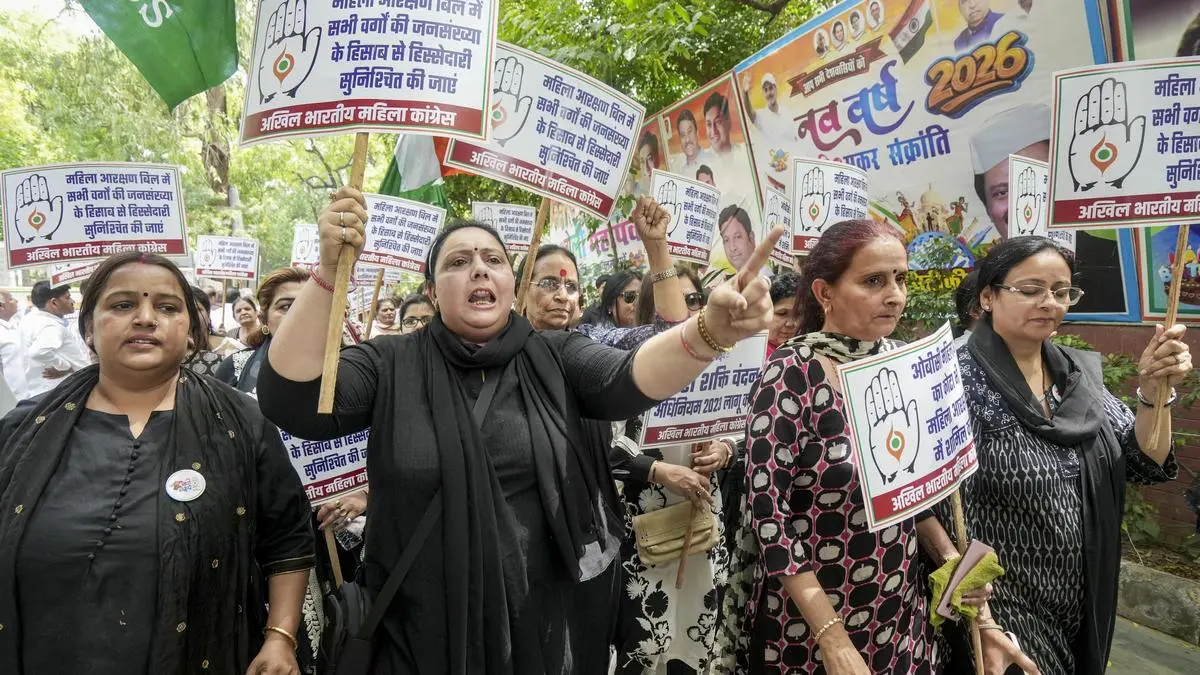
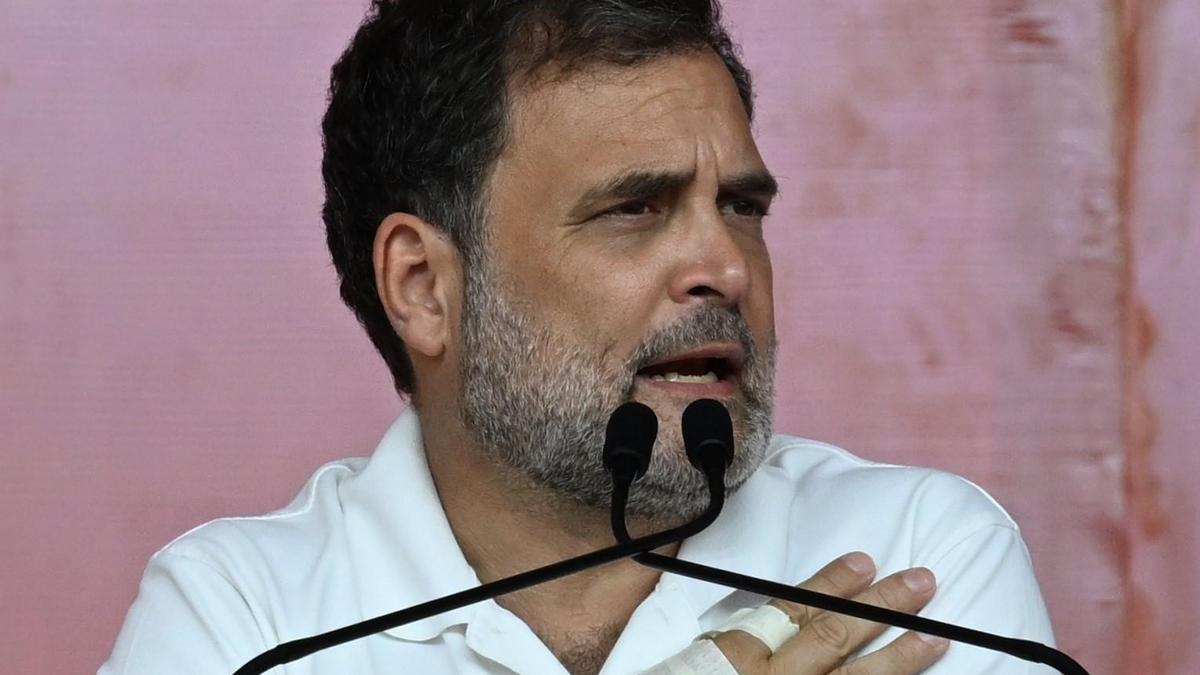
Prashant Kishor made that point bluntly to  The Economic Times: the public response, he said, should concern the government because it reflects anxiety over unemployment, corruption and price rise. That is the real political risk. The CJP may never become a party in the formal sense, but it is already functioning as a protest brand — and that is enough to worry incumbents. For broader context on how online anger can mutate into opposition politics, see Global Politics. The Economic Times
What to watch next
The next decision point is whether CJP stays a viral episode or becomes an organizing vessel. Watch three things: whether India keeps restricting its accounts, whether the group shifts from satire to issue-based mobilization, and whether opposition figures try to borrow its language without owning it. If the movement survives the first burst of attention, it will tell you something important: in India, the political cost of ignoring youth unemployment is now low enough for memes to carry it.